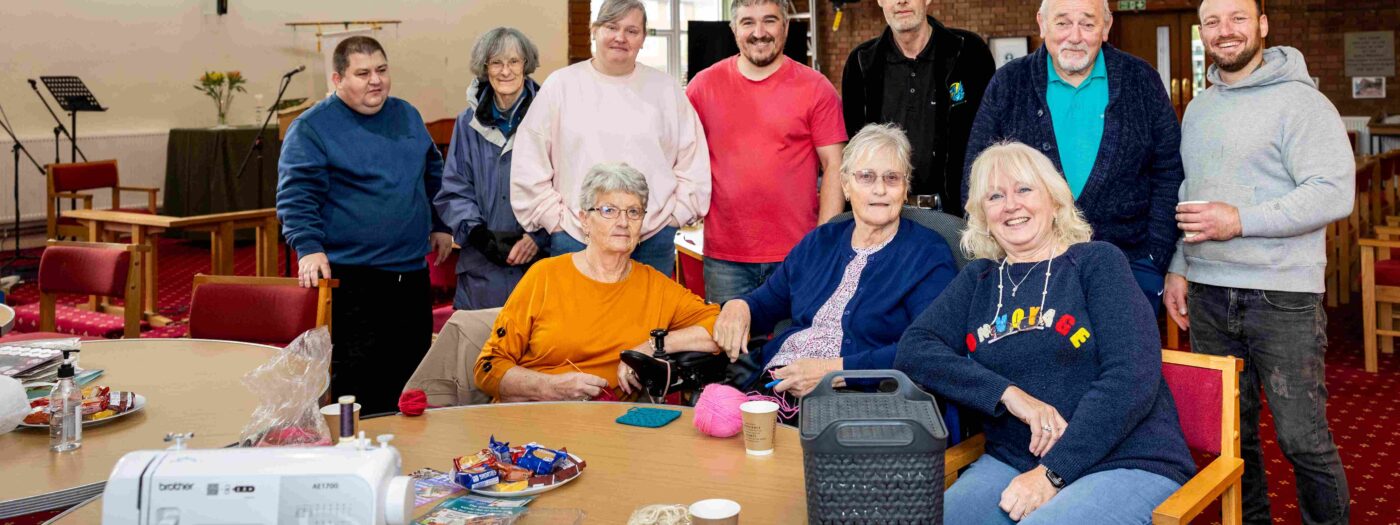
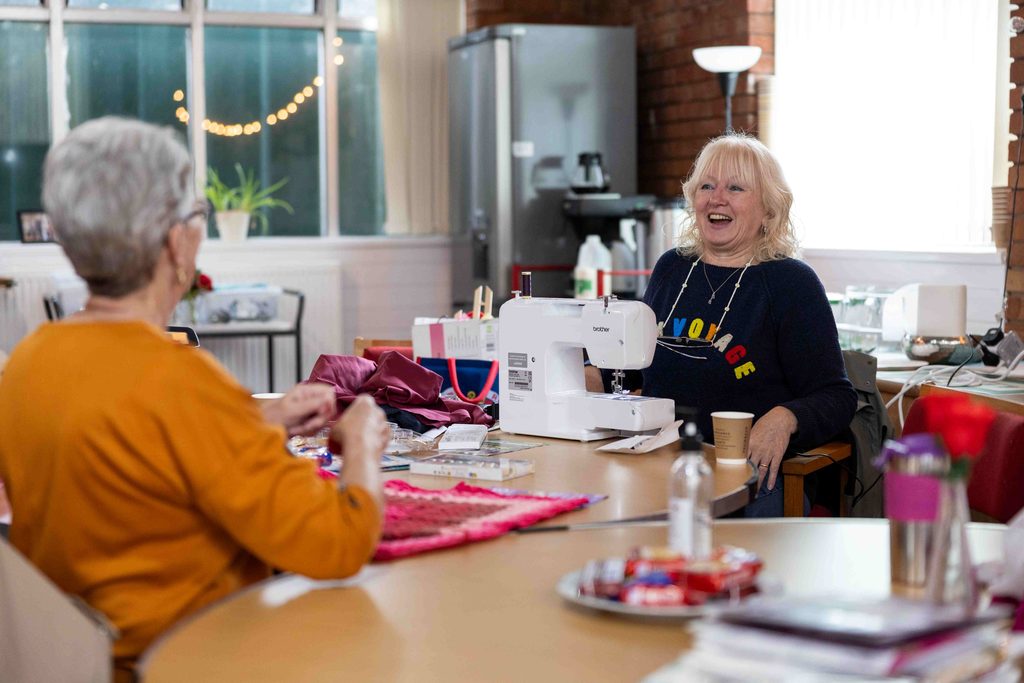
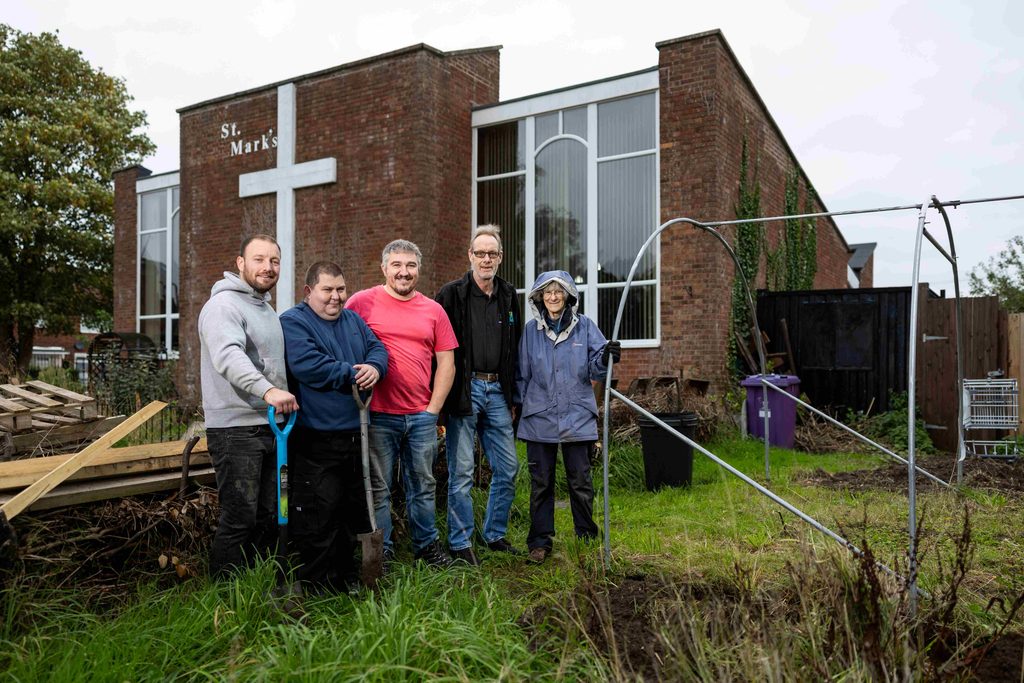
A community-led sustainability initiative has launched in Liverpool to help local residents reduce household waste, save money, and build practical repair and reuse skills.
Delivered by St Stephen’s Gateacre Parochial Church Council (PCC) at St Mark’s Church and Community Garden in Gateacre, the St Mark’s Waste Less Community Programme has been awarded £8,000 from the Merseyside Recycling and Waste Authority and Veolia Zero Waste Community Fund 2026/27.
The Zero Waste Community Fund supports community-led projects across the Liverpool City Region which help reduce household waste, increase reuse and recycling and promote waste prevention.
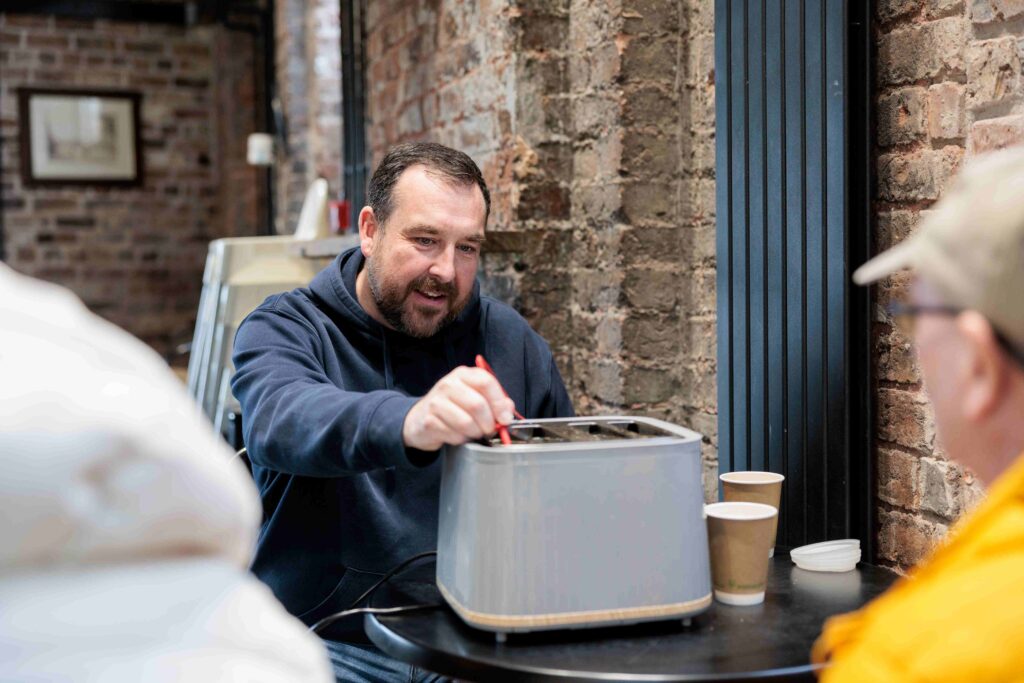
Delivered from St Mark’s Church and Community Garden (Cranwell Road, L25 1NZ), the Waste Less project includes regular Repair Café events, textile reuse activities, composting workshops, food waste sessions and a community tool library.
Running through to March 2027, the project aims to tackle key household waste streams including small electrical items, textiles, food waste, and tools. Rather than focusing solely on traditional waste disposal, the project is looking to identify the most effective, community-driven ways to foster repair, increase reuse, and promote household waste prevention.
Through interactive, hands-on learning, the programme features:
Regular Repair & Share: Voluntarily run sessions to help residents repair small electricals, clothes, toys, and bicycles.
Textile Rescue & School Uniform Swaps: Seasonal uniform swaps, coat exchanges, and mending workshops.
Food Waste & Composting Workshops: Practical sessions in the community garden alongside cookery classes focused on meal planning and using up leftovers.
A Community Tool Library Pilot: A borrowing scheme allowing residents to share infrequently used DIY and gardening tools, reducing unnecessary purchases.
By testing various methods of direct community engagement, local awareness campaigns, and practical skills workshops, the initiative hopes to prevent 4.5 tonnes of materials from going to waste including food, furniture, plastic, textiles and electronics.
The programme aims to engage at least 150 households and has set targets including repairing hundreds of household items, distributing a number of compost starter kits and establishing a community tool library.
Revd Tom Langdon-Smith, Vicar at St Stephen’s Gateacre PCC, said: “We are absolutely delighted with how the project has gone so far and what we’ve been able to achieve with the support of the Zero Waste Community Fund. This project means so much to our team and dedicated volunteers, and seeing the direct, positive impact it has had on local families – whether through mending a cherished item or saving money on school uniforms – has been inspiring.”
Lesley Worswick, Chief Executive of Merseyside Recycling and Waste Authority, said: “The Zero Waste Community Fund is designed to empower local groups to deliver real, lasting environmental change right at the heart of their communities. St Mark’s Waste Less Community Programme is a great example of how community-led projects can test innovative ways to reduce waste, boost recycling, and pass on essential repair skills that benefit both local households and the wider environment.”
The St Mark’s Waste Less Community Programme will conclude this phase in March 2027.
— ENDS —
Notes to Editors
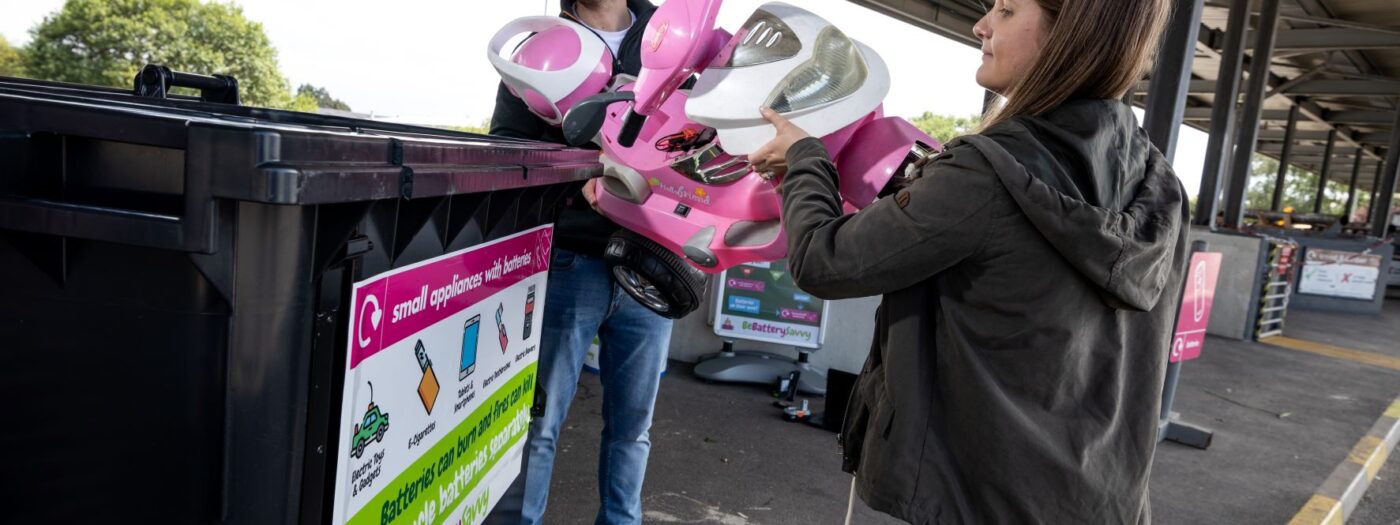
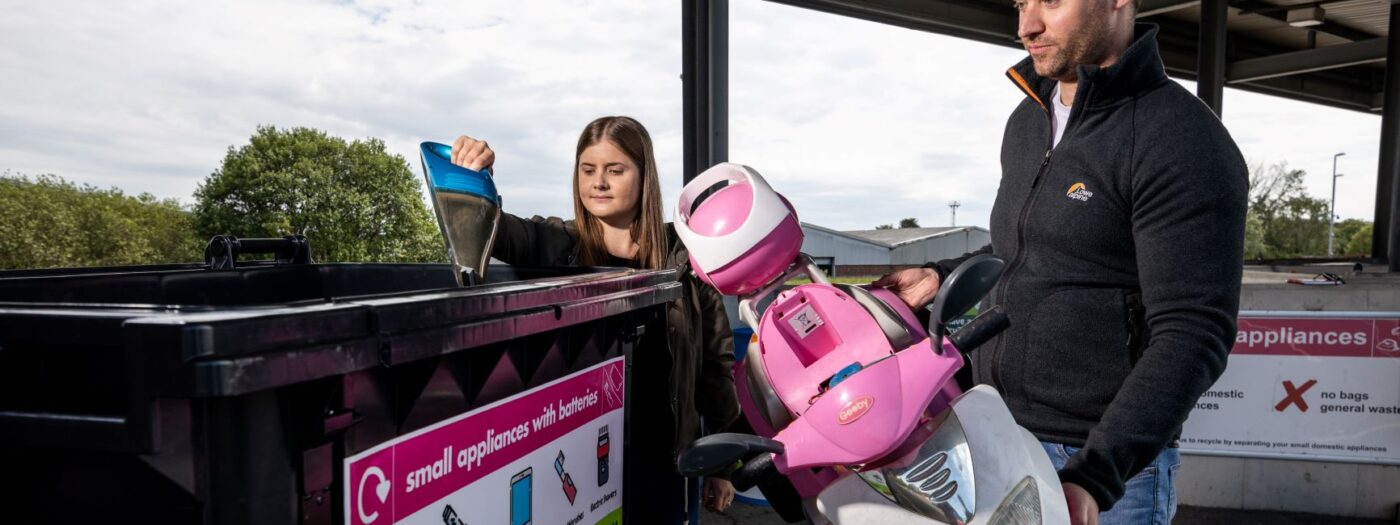
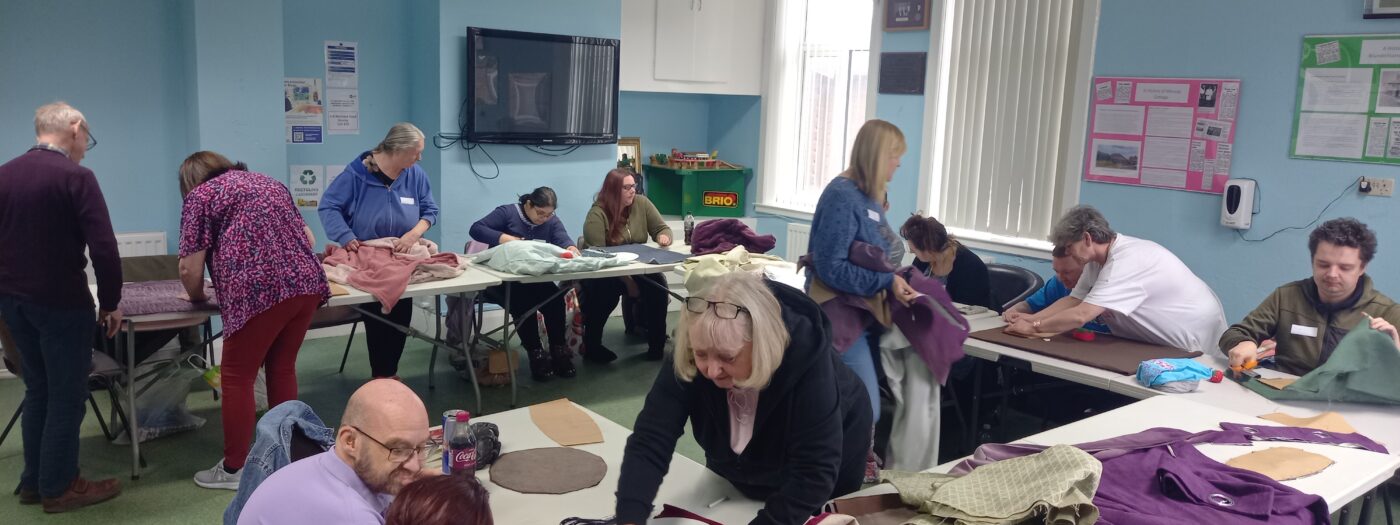
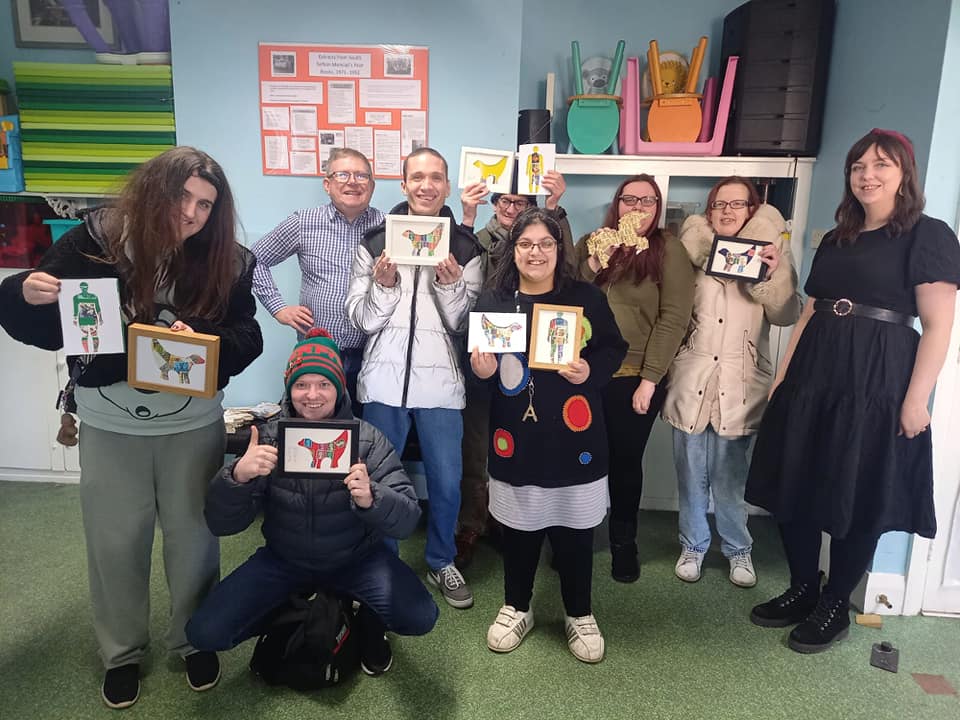
Image captions – volunteers at the St Mark’s Waste Less Community Programme in Liverpool, Monday 12thOctober 2026
About the St Mark’s Waste Less Community Programme
Delivering Organisation: St Stephen’s Gateacre PCC (Charity No. 1164672).
Venue: St Mark’s Church & Community Garden, Cranwell Road, L25 1NZ.
Funding: Awarded £8,000 via the MRWA Zero Waste Community Fund 2026/27.
About Merseyside Recycling and Waste Authority (MRWA)
Merseyside Recycling and Waste Authority (MRWA) is responsible for the disposal of municipal waste produced by over 1.5 million people in the Liverpool City Region.
The Zero Waste Community Fund supports local community groups, charities, and non-profit organisations across Merseyside and Halton to deliver projects that prevent waste, increase reuse and recycling, and reduce carbon impacts.
Local Recycling Centres are set to switch to their shorter winter opening hours.
From Thursday 1st October the Centres will be open from 8.00am until 5.00pm* in Merseyside and from 8.00am until 6.00pm in Halton – changing from the summer hours of 8.00am to 8.00pm.
There are 16 Household Waste Recycling Centres (HWRCs) in the Liverpool City Region. They are operated by Veolia on behalf of Merseyside Recycling and Waste Authority (MRWA).
Lesley Worswick, Chief Executive of MRWA, said: “We shorten the hours over the winter to coincide with the darker nights over the forthcoming months. The Recycling Centres accept a range of household materials for recycling, from batteries, cans and cardboard, through to garden clippings, glass bottles, wood, and white goods. They also accept lesser-known items such as used cooking oil, clothes, hard plastics and electrical items.”
All 16 Recycling Centres across the region also have ‘Disposable Vape’ bins to help provide safe disposal and recycling routes for the millions of vapes currently thrown away across the country.
Householders can check www.recycleright.org.uk for details of what can be accepted at their local site.
Paul Cannon, General Manager, Veolia said: “We ask residents coming to the Household Waste Recycling Centres during the winter months to take extra care during their visit. Wearing sturdy shoes with good grip, using gloves when handling materials, and keeping children and pets safely inside vehicles will keep both residents and our staff safe so that we can all recycle as much as possible.”
The Centres provide a popular service for residents and can become extremely busy at peak times so visits should be planned carefully. There is a system in place for those who wish to visit in a van or with a large trailer. Bookings can be made at www.merseysidewda.gov.uk. For the two Halton facilities (Johnsons Lane and Picow Farm) householders should contact Halton Council at www.halton.gov.uk.
Ends
NOTES TO EDITORS:
The picture attached is of a Merseyside Household Waste Recycling Centre.
From October 1st 2026 until March 31st 2027 Merseyside’s Household Waste Recycling Centres will be open from 8.00am until 5.00pm*. The Centres are located at:
Knowsley –
Huyton – Wilson Road – L36 6AD Kirkby – Depot Road, Knowsley Industrial Park – L33 3AR
From October 1st 2026 until March 31st 2027 Halton’s Household Waste Recycling Centres will be open from 8.00am until 6.00pm. The Centres are located at:
Merseyside Recycling and Waste Authority (MRWA) is asking households and stakeholders across Merseyside to have their say on proposed changes to Household Waste Recycling Centres (HWRCs), as it reviews how the service should operate in the future.
The consultation seeks views on four potential changes:
1.Access only to Merseyside residents
2. Fair use limits for number of visits per year
3.A booking system for all visits to help manage demand and reduce queues
4.Requirement to separate recyclable and non-recyclable waste before it is brought to HWRCs to increase recycling
The proposals are intended to help increase recycling, make effective use of the HWRC network and ensure the service continues to meet the needs of Merseyside households in the years ahead.
MRWA manages household waste disposal and waste prevention services for the Liverpool City Region, including the operation of Household Waste Recycling Centres.
With the current waste management and recycling contract due to end in 2029, MRWA is reviewing future service arrangements so that any recommendations reflect local needs, support recycling and provide value for money.
Lesley Worswick, Chief Executive of MRWA, said:
“Our Recycling Centres are used more than three million times each year and provide an important service for households across Merseyside.
“As we plan for the future, we want to understand what people think about the proposals, what benefits they see and what concerns they may have. This is an opportunity for residents to inform decision making, and the feedback we receive will help inform the next stage of our review.”
There is likely to be disruption to the access at Otterspool Household Waste Recycling Centre on Saturday 8th August 2026 due to increased traffic visiting the No Art Festival being held in Otterspool Drive Park.
The routes on Riverside Drive and Jericho Lane to access to the Centre will be busy with the additional Festival traffic but will remain open for the duration of the event. The surrounding routes are expected to be busiest with Festival visitors arriving from 12:00 onwards. Full road closures will be in place from 9pm.
To avoid disruption, please use the Old Swan Recycling Centre, Cheadle Avenue, Old Swan, L13 3AF or any other Household Waste Recycling Centre in the Liverpool City Region.
*Please note, this commission closes 28th August 2026 at 5pm.*
Background
Merseyside Recycling and Waste Authority (MRWA) is committed to achieving the targets of zero waste and zero net carbon by 2040. This involves changing behaviours and attitudes and encouraging residents to take actions to help us achieve our goals.
MRWA wishes to work with our partners to make Liverpool City Region a place where all materials are valued as usable resources and that nothing goes to waste – we need to waste less, and reuse, repair, share and recycle more.
The Project
For this project, MRWA is looking to recruit an organisation or individual to develop and deliver a range of community-based sewing workshops in each of the six districts of the Liverpool City Region. These sessions aim to promote a transition to behaviour that keeps textiles out of the waste stream, instilling attendees with life skills in repair, tailoring and upcycling.
Projects can be held anytime between commissioning and March 2027 but will be required to actively participate in Repair Week 2027. Repair week is a nation campaign showcasing repair skills and sessions through events, workshops, talks and more. Engagement can vary based on each schemes offering but should be included as a key deliverable.
Project Aims
The aim of this project promote a transition to behaviour that keeps textiles out of the waste stream, instilling attendees with life skills in repair, tailoring and upcycling.
What will your organisation’s participation involve?
If you would like to be involved in this project, you will work closely with the MRWA’s Strategy & Development team to develop and deliver this initiative. We are looking to commission a forward thinking, efficient and sustainable organisation to launch and manage this project.
Taking part
Taking part will involve the following:
Helping us link in with local community groups and spaces –As you will have good connections within the community, we would welcome your help in linking with residents, venues, and organisations to spread the key waste reduction messages and deliver a range of sewing workshops.
Delivering sewing skills/textile waste reduction workshop(s) – You will be expected to plan and deliver sewing workshops in up to six districts, depending on your application. These sessions can be tailored to your audience and venue as long as they promote textile reuse and sewing skills. You will be responsible for the complete management and delivery of the workshops including the sourcing of materials, venues, staffing and attendees.
Helping us share the message of reuse, recycling and promoting a circular economy – You will create and develop resources and toolkits that support the message of textile reuse and recycling that are suitable for your target audience and complement your event. This could include;
Promotional materials such as posters and leaflets
Educational resources such as how to guides, tips and tricks etc.
Photographs and social media content
Attendee questionnaires or feedback forms
Collect data to evaluate effectiveness – To instigate behaviour change we need to understand attitudes and barriers. We’d like you to gather information from groups prior to workshop delivery and on completion of participation to determine the effectiveness and response to sessions like this.
Produce project evaluation – Following completion of the project(s) you should produce a report which should include the following:
Summary of the project, including outcomes.
Attendance figures and feedback from staff and attendees.
Any data around the number of items repaired, tailored or upcycled.
Successes and learning points from this project.
Recommendations for how we can improve or develop this project.
Project outcomes
We’re looking for the following outcomes for this project:
Delivery of a minimum of one textile project per provider to cover each of the six districts (multiple appointees may be required). This project should focus on encouraging lasting skill development and legacy elements.
Development of resources and activities that support the message of utilising sewing skills to encourage textile reuse.
Direct involvement in LCR Repair Week 2027 encouraging fabric repair and reuse, hosting events and supporting the wider repair message.
Impact reporting such as community response, number of textiles utilised and attendance of each event.
Generate Social Value
Evaluation/end of project report
How your organisation can benefit from taking part in the project
Help instigate behaviour change – We want to shift from a linear to a circular economy, and minimise waste across the LCR, to do this successfully we engage with residents and work in partnership with community groups and organisations.
Embed reuse and circular economy thinking within your organisation– Develop new/ additional skills and resources within your organisation.
Provide opportunities for people to access clothing and learn about upcycling and reuse – Help support understand of waste issues within the textile industry and importantly how we can work together locally to tackle these issues while supporting our community.
Develop new partnerships and networking links – build up relationships with a range of Local Authorities, Community Groups, Education providers and other organisations.
Provide social value for the LCR communities – we’re looking to reach a range of individuals and age groups including forgotten communities, and to maximise social value. We will ask you to provide us with specific metric to support the calculation of this.
Funding linked to the Project
Organisations can apply to cover between one and six districts, with each application being scored in line with the criteria and awarded based on best value for each district. This may result in some districts remaining un-funded after the first round, and in this case we will re-issue funding for the remaining specified districts.
Up to £4,000 can be awarded for each district, with a maximum of £24,000 for an organisation wishing to cover all areas of the Liverpool City Region. This funding must cover all associated costs including venue hire, event management fees, materials, and any additional expenses. As per policy all payments will be paid on completion of the project.
When will the project be delivered?
These sewing workshops can run at any time between appointment and February 2027. With the final reports due for submission end of March 2027.
Published
31st July 2026
Deadline for tenders
28th August 2026
Supplier notified of award of contract
By w/e 4th September 2026
Project Initiation Meeting
w/c 7th September 2026
Project End Report Due
31st March 2027
Evaluating Applications
We will score applications received based on:
50% Meeting project objectives
40% Finance
10% Evaluation
If no applications are deemed appropriate (minimum scores above 65/100) during evaluation, MRWA reserve the right to re-list this opportunity to ensure the correct partner organisation is allocated for this funding.
*Please note, this commission closes 21st August at 5pm.*
Background
Merseyside Recycling and Waste Authority (MRWA) is committed to achieving the targets of zero waste and zero net carbon by 2040. This involves changing behaviours and attitudes and encouraging residents to take actions to help us achieve our goals.
As we enter unprecedented levels of consumerism with endless stream of new fast-fashion, electronics, and appliances on offer, it’s important to recognise the toll this endless cycle of buying and disposing has on our environment. By providing opportunities for our community to reuse, repair and resource share, we can shift to sustainable solutions before it’s too late.
Launching a Library of Things can help promote sharing, sustainability, and community engagement by providing access to products that don’t see regular use, and reducing the need for individual ownership. This approach saves users money, reduces clutter, and minimizes environmental impact by extending the lifespan of products and reducing production. It also fosters a sense of community by encouraging interaction and skill-sharing among members as they work to host and maintain products.
The Project
For this project, MRWA is looking to recruit a partnering individual(s) or organisation (s) to develop and host a not-for-profit repair scheme within Liverpool City Region. Utilising concepts such as product redistribution, skill sharing, repair cafes and shed models, the scheme should promote the extension of product lifespan within their community, with aims of producing a shift in attitudes and behaviours around reuse and repair, and educating those on the benefits of moving away from a throwaway lifestyle. While MRWA does have specific interest in the extended lifecycle and subsequent reduction of electronic and textile waste, this scheme will be open to repair and reuse in all forms, regardless of any priority material focus.
Funding will be open to both new and existing projects, but those who are preestablished will be required to evidence ways in which they will develop or advance their existing projects/schemes within their application to ensure that we build on what Liverpool City Region already has to offer as opposed to maintaining “business as usual”.
The partner(s) will be fully responsible for all aspects of the scheme, including:
Procuring of suitable location
Establishing staff/volunteers
Developing a primary focus or area of work
Hosting sessions/events/workshops as appropriate
Any necessary risk assessments and insurance
Promotion of the scheme
Monitoring and evaluation
Continued legacy and development to maintain the space/scheme long-term
Project Aims:
The aim of this project is to showcase the benefits of adopting a reuse and repair culture through support and education, promoting a shift in behaviour around unnecessary waste practices and reducing the carbon footprint associated with new products.
Sustainable Development Goals
MRWA has prioritised five of the seventeen Sustainable Development Goals with regards to its impact from operations and activities. The prioritised goals are::
3. Good health and well-being.
4. Quality Education.
11. Sustainable cities and communities.
12. Responsible consumption and production.
13. Climate Action.
This project will support all five goals. It will educate, inform, and raise awareness of the benefits of repair and reuse in communities through skill sharing. Such projects can contribute to people’s self-esteem, relieve their isolation, and instigate community cohesion. It will promote a shift in the waste hierarchy from throw away culture to reuse, influence sustainable communities, and reduce emissions associated with new product development which contribute to climate change. Participants will change behaviour and be more responsible about their consumerism and the waste they produce.
What will your organisation’s participation involve?
If you would like to be involved in this project, you will work closely with the MRWA’s Strategy & Development team to develop and deliver this Repair Initiative. We are looking to commission a forward thinking, efficient and sustainable organisation to launch and manage this scheme. With the intention of gathering evidence about the behaviour of participants with regards to reusing and repairing items, its usefulness, and its benefits to determine if additional projects could be beneficial. While the base may be in one specific area of the Liverpool City Region (LCR) residents from all six districts should be eligible to access the project.
Taking part
Taking part will involve the following:
Taking part will involve the following:
Engage with residents and community groups – the partner will communicate and engage with residents and local communities and encourage people to access the Library of Things scheme as suitable.
Health & Safety – you will maintain excellent Health and Safety standards throughout the project. You will manage the project on our behalf and mitigate risk.
Help increase reuse in the region – utilising your experience, you will promote the reuse of library stock within your area, educating others where suitable to recognise the benefits or reuse over new purchases in their everyday life.
Recognising support and equipment needs – you will assess current need in your area and design a scheme to best suit these, listing the equipment and tools needed to support the planned endeavour.
Consider sustainability – throughout the project, you should consider sustainability implications and ensure the project is keeping waste production to a minimum.
Consider longevity – while this fund is available to support with set up and development costs, consider how the project can continue after the funded period. What maintenance costs would exist? Is this a long-term provision or a limited offer?
Devise a promotional and engagement plan – develop a communications and logistics plan to promote the scheme, generate volunteers/participants, and share success stories. Encourage participants to provide photos, videos, and testimonies for MRWA to make social media connections.
Produce summary behavioural analysis report – collect relevant data and feedback from participants around the scheme, whether good or bad, and produce an evaluation of the scheme and lessons learnt. Identify any evidence of changes in behaviour, both disposal and buying.
Provide social value for the LCR communities – as an organisation, we are aiming to embed social value across our activities and will ask you to provide us with specific metric to support the calculation of this.
Project outcomes
We’re looking for the following outcomes from this project:
Development and delivery of a community-based repair scheme with an embedded longevity plan.
Development and distribution of all necessary resources and promotional materials, with support of MRWA.
Engagement with community organisations and participants across as many of the six areas of the Liverpool City Region as possible (Liverpool, Sefton, Knowsley, Halton, Wirral and St Helens).
An expected repair of approximately 80-120 items (roughly 20 items per month over 6 months) these figures can be reviewed and adjusted based on the successful tender quotations and estimates.
Health and safety risk assessments where relevant.
Support and monitoring of the project and its participants throughout, including evidence and tracking of item numbers, feedback etc.
Support in embedding social value, and the delivery of data to support its measurement.
Evaluation/end of project report.
How your organisation can benefit from taking part in the project
Help instigate behaviour change – Our long-term goal is to achieve zero waste and carbon by 2040. You can help us shift from a linear to a circular economy, reduce waste and carbon and address the global challenges we face today and, in the future, including poverty, inequality, climate change, and environmental degradation. To do this successfully, you will work in partnership and directly engage residents across the LCR.
Embed waste prevention, reduction and reuse thinking within your organisation– Expand your organisations knowledge of the challenges faced by people locally and internationally with regards to sustainable lifestyles.
Provide opportunities for residents to understand and develop repair skills and a continued use mindset – Upskill your community and help residents to change their behaviour and attitudes towards how they view products and waste, understand the consequences of lifestyle choices and how their actions can support change.
Develop new partnerships and networking links – build up relationships with community groups and other interested organisations.
Provide social value for the LCR communities – there is significant social value in community repair and reuse.The impact of waste collection, disposal and climate change are all costs that are not usually considered when identifying support for all types of community projects. This is changing as more local authorities recognise the importance of social value and are factoring the benefits into public spending.
Funding linked to the Project
We have a total of £15,000 funding available.
This funding should be inclusive of all materials, production, delivery, and admin associated with the project. Potential partners will be asked to estimate how many repair items they will support with a target of approximately 80-120 throughout the project. This is open to discussion and review based on the scheme and its focus. Remember, the primary focus of the project is repair and reuse and accessing donated or waste materials is preferred over new purchases.
Payment will be paid on completion of work. This can be completed in full at the end of the project, or in up to three phased payments based on reaching agreed outputs. We will evaluate each project application individually and will appoint the right organisation to deliver the best overall outcome for the LCR.
Please note, this is a commissioned research pilot rather than a grant scheme. Organisations in receipt of Zero Waste Community Fund support may apply – however, there must be no duplication of participants, activity or outputs between projects
When will the project be delivered?
This project will begin September 2026 and end March 2027 with an inclusive facilitation through Repair Week 2027. A detailed timeline of activities is provided below:
Activity Detail:
Dates:
Project tender goes live
24th July 2026
Meeting requests window closes
17th July 2026
Project tender closes
21st August 2026
Tender applications evaluated
w/c 23rd August 2026
Organisation selected
w/c 23rd August 2026
Due diligence
Following acceptance
Project initiation meeting
Following acceptance
Final reports received
March 2027
Evaluating applications
We will score applications received based on:
50% Meeting project objectives
40% Finance
10% Evaluation
If no applications are deemed appropriate (minimum scores above 65/100) during evaluation, MRWA reserve the right to relist this opportunity to ensure the correct partner organisation is allocated for this funding.
Fifteen community organisations across the Liverpool City Region have secured a share of a £165,000 investment to launch innovative waste reduction, reuse, and recycling initiatives.
Delivered through the Zero Waste Community Fund 2026/27 — a partnership between Merseyside Recycling & Waste Authority (MRWA) and Veolia — the funding will empower grassroots projects to tackle high-priority waste including food, textiles, and electronics. These locally-led schemes aim to embed sustainable habits and reduce the region’s carbon footprint by the project deadline in March 2027.
Earlier this year the organisations had to bid for the funding which will give them the financial support to deliver waste-reducing behavioural change projects across the region. The successful projects encompass diverse activities like a travelling textiles education van, cookery classes to reduce food waste, schools assemblies, furniture upcycling workshops and an electronics repair café.
Lesley Worswick, Chief Executive of MRWA, praised the initiative, saying: “The Zero Waste Community Fund is about turning inspiring ideas into lasting environmental action. We have awarded 15 projects that demonstrate exactly how we can rethink our relationship with ‘waste’ — transforming it instead into a resource for our communities. We eagerly anticipate the results of their hard work as they help us build a cleaner, greener, and healthier region for everyone.”
Project applications had to tackle one or more of the five priority household waste materials which have been identified by MRWA as key, namely Food, Furniture, Electricals, Plastics and Textiles. An analysis* of waste in the Liverpool City Region highlighted that a greater amount of these materials could be reused or recycled.
The impact of the Fund is already evident through previous recipients, such as Crosby-based Mencap Liverpool & Sefton, which in 2023 was awarded £7990 to deliver for the reuse and repair project Fix Up, Look Sharp.
Carolyn McConnell, Chief Executive at Mencap Liverpool & Sefton, said: “Our Fix Up, Look Sharp project used regular workshops to give people the skills and opportunities to reimagine and repurpose clothes, plastics and furniture. We wanted to equip all our participants with the knowledge and inspiration to rescue, repair and repurpose items that could otherwise have been thrown away.
“Our new project Reuse, Recycle and Repair with Mencap builds on previous work and will run workshops around repair and food waste reduction, as well as hosting swap shops to help launch an onsite charity shop. I hope that we can help people to understand the consequences of unnecessary waste so that everyone engaged with the project is motivated to consume more responsibly.”
The fifteen successful 2026/27 organisations have got until March 2027 to deliver their projects.
ENDS
Note to editors
The successful projects:
Project and organisation
Area
Material focus
Project summary
Swap Shop – Vibe Charitable Incorporated Org
Halton, Knowsley, Liverpool, Sefton & St Helens
Textiles
Working with young people (11-17) across various youth councils to create a travelling textiles project. The core group and van will move across districts offering education sessions linked to fast fashion, second hand clothing, upcycling and sewing skills and hosting swap shops with donated/repaired/upcycled clothing.
Scouting Towards Zero Waste – Merseyside Scouts
Knowsley, Liverpool, Sefton, St Helens & Wirral
Food & Plastic
Food waste skills delivered through trickle down training. Supporting 30 unit leads to learn the skills and access equipment to support up to five sessions in each area.
Waste Not, Dance Lots – Alchemic Kitchen
Knowsley, Liverpool, Sefton & St Helens
Food
Large scale educational food sessions providing Disco Chops (active musical cook-alongs) focusing on utilising unwanted to wasted veg stock. As well as a community event day offering apple gleaning utilising unharvested stock for juice, baking and more.
School Uniform & Clothing Reuse Project – Roberts Recycling Ltd
All
Textiles
Pilot Supporting five schools in the reuse and redistribution of uniforms and other textiles, through educational session, assemblies and resources.
St Marks Waste Less Community Programme – St Stephens Gateacre PCE
Liverpool
WEE, Textiles & Food
Ambitious community church project covering multiple reuse/repair and waste reduction projects including – launch of a monthly repair cafe & lending library, 3 clothing swaps (2 uniforms, 1 coats), and a range of cooking and composting sessions utilising their community garden.
Reuse, Restore & Repair – Lets Talk2Day CIC
Knowsley
Food, Textiles & Furniture
Project focusing on repair and reuse across multiple sessions including repair workshops, sewing skills lessons and food waste workshops. These sessions aim to generate core volunteers or champions to help continue the work long term. Supported by quarterly swap shop events and a final showcase.
Threads for Change – Amber Button Community CIC
Wirral
Textiles
A Wirral based repair and revive workshop focusing on sewing skills, garment altering and care advice to extend product life. As well as two larger swap shop events and a final celebration event.
Reduce and Reuse at Micah – Micah Liverpool
Liverpool
Food & Textiles
Splitting their focus over two areas Micah will offer 8 sewing skills workshops working on repairing and repurposing clothing and home textiles, followed by 10 food waste sessions around utilising ‘waste’ kitchen products and showcasing skills such as batch cooking, freezing and storing.
Waste Less the Eco Way – The Eco Therapy Garden CIC
Knowsley
Food & Textiles
Sessions held at a local community garden focusing on food growing, waste prevention and composting know as from plot to plate. Aswell as hosting textile swap shop and sewing skills sessions, providing repair skills, and sessions on utilising ‘scrap material’ such as reclaimed yarn and wool.
Utilising scrap furniture, pallets and wooden boxes in hands on woodwork sessions creating, ornaments, bird boxes and planters. As well as the creation of a scrap library to support future projects.
Switch & Stitch – The Hearth Network
Sefton
Textiles
Offering 6 clothing swaps across Sefton parallel to a 4 hour repair skills session to support those accessing the project. Session will focus on a range of skills from basic stitch to tailoring and upcycling and will be shaped for each venue and the time of year.
Save & Store – The Venus Charity
Sefton
Food
A six month project focusing on food skills around cooking, storage and meal planning to support long term waste reduction.
Sewing Connections CIC
Sefton
Textiles
A sewing specific organisation providing additional days free of charge to the local community to support sewing skills, repair and reuse. Mainly focusing on repair skill sessions and repurposing scrap material into items to donate to charities including mastectomy cushions & IV bags.
Reuse, Recycle and Repair with Mencap – Mencap Sefton & Liverpool
Sefton
Food, Textiles & Other
Building off a 2024/25 project looking to run workshops in their cafe around repair and food waste reduction, as well as hosting 2 swap shops to help launch an onsite charity shop.
Growing Sustainable Futures – Kindling Farm
Knowsley
Food
A local farming co-operative offering a 6 week seasonal growing and cooking course and 6 week furniture repair and upcycling course. Alongside school visits around the food cycling and access to locally grown produce. The project aims to end with a Zero Waste Food Event celebrating season, local food, composting and more.
Image caption: Attached images show the Mencap Liverpool & Sefton project Fix Up, Look Sharp.
*Statistic from Merseyside and Halton Waste Composition Analysis 2021/22
Merseyside Recycling and Waste Authority is responsible for the disposal of municipal waste on Merseyside. Established in 1986 following the abolition of Merseyside County Council, it is a statutory Authority that works with all the local authorities on Merseyside – Halton, Knowsley, Liverpool, Sefton, St Helens and Wirral. MRWA takes a lead in advocating recycling, waste reduction and safe and effective disposal of waste for Merseyside residents.
MRWA operates (via a contract with resource management company Veolia) 16 Household Waste Recycling Centres (HWRC’s) for householders in the Merseyside area wishing to recycle and dispose of their own waste.
The Zero Waste Community Fund 2026/27 has seen 15 community groups from Merseyside and Halton receive a funding boost to help make the region a cleaner and greener place. The financial support will see the groups help reduce household waste, encourage recycling and resource re-use, and prevent carbon emissions.
Members of the media for more information please contact:
John Lally | Communications and Development Officer
Funding boost helps Merseyside residents repair, reuse and rethink waste
A community-led project helping local people cut waste, repair everyday items and build sustainable skills is being delivered across Merseyside thanks to backing from the Merseyside Recycling and Waste Authority’s Zero Waste Community Fund.
The Reclaim & Sustain Project, delivered by the community organisation Friends of Bowring Park, has been awarded £26,920 from the Merseyside Recycling and Waste Authority (MRWA) & Veolia Zero Waste Community Fund 2025/26 to identify the most effective ways to reduce household waste. The regional initiative is helping Merseyside residents rethink their relationship with waste through a unique “test and learn” approach.
The project has delivered a series of hands-on reuse and repair workshops across Knowsley, Liverpool, St Helens and Wirral, supporting residents to reduce waste while learning practical skills. Sessions have ranged from food waste prevention and clothing repair to bicycle maintenance and small electrical repairs.
By engaging residents through workshops, awareness campaigns and practical demonstrations, the project has explored effective ways to increase reuse, repair and recycling while challenging negative perceptions around repair culture. Sessions have included:
Food Waste Prevention: Experimenting with creative ways to use leftovers and proper food storage.
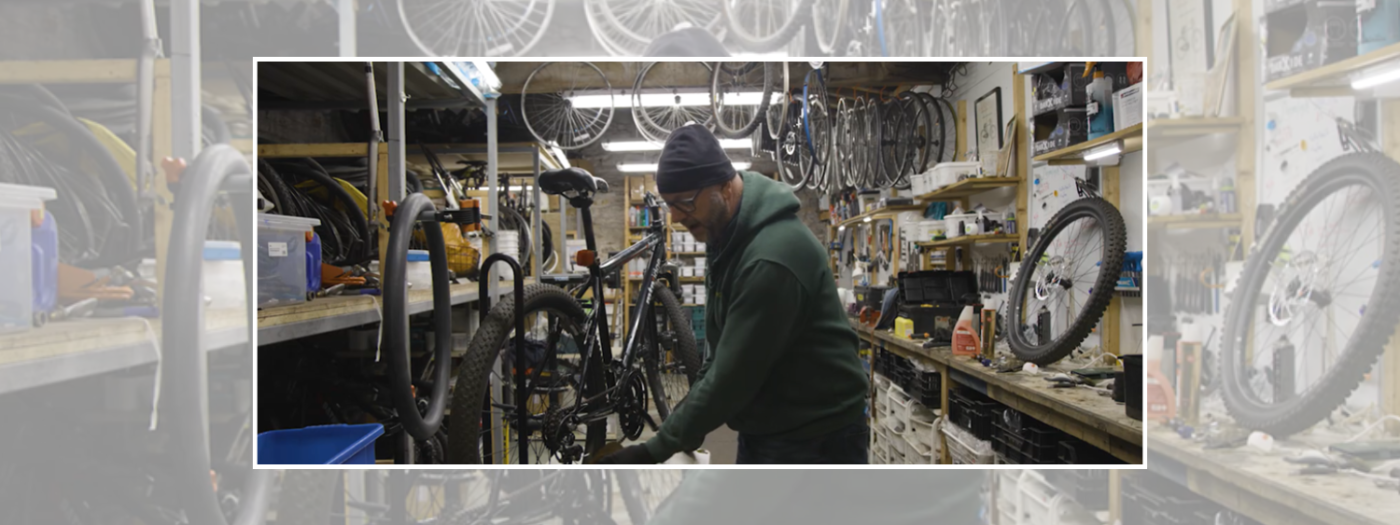
Bicycle Repair: Teaching families how to maintain and fix bikes to promote active, eco-friendly travel.
Clothing Repair: Testing sewing and upcycling techniques to extend the lifespan of garments.
Electrical Repair: Addressing e-waste through small appliance and IT equipment repair sessions.
Oisín Hennessy, Project Manager at Friends of Bowring Park, said: “We’re absolutely delighted with how Reclaim and Sustain has gone and incredibly proud of what the project has achieved. It has meant so much to our team to see local people getting involved, learning new skills and growing in confidence. Seeing the positive impact on families across the region – from saving money to keeping valued items in use – has been really powerful and shows just how important community-led sustainability projects can be.”
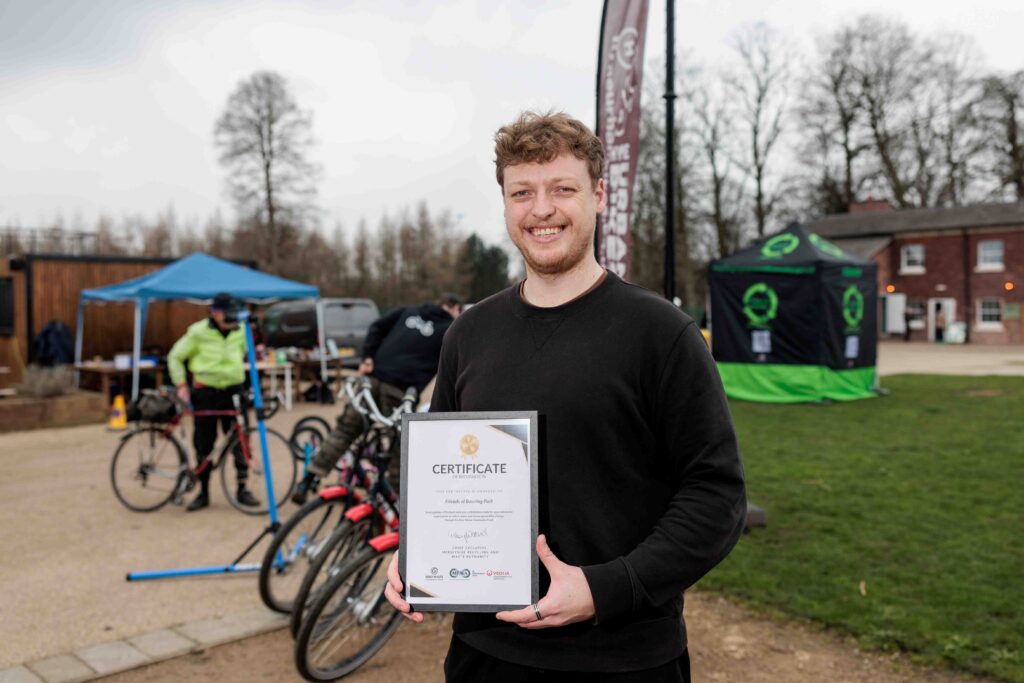
A celebration event – the Fix It Festival and Zero Waste Celebration – took place at Bowring Park on Saturday 7 March. The free event showcased the project’s impact and feature repair and reuse workshops including food waste prevention, bike repairs, electrical items and clothes repair, alongside family-friendly activities.
Lesley Worswick, Chief Executive of Merseyside Recycling and Waste Authority, said: “Projects like Reclaim and Sustain show the real difference that community organisations can make when they’re given the resources to deliver locally. By supporting practical repair, reuse and waste prevention activities, this project has helped residents take simple, positive steps to reduce waste while building skills that last. It’s a great example of how the Zero Waste Community Fund helps deliver meaningful environmental and social benefits across our communities.”
ENDS
Notes to editors:
Image captions:
MRWA_BOWRING_2026A – electricals repair at the Bowring Park Fix It Festival, March 7th 2026
MRWA_BOWRING_2026B – electricals repair at the Bowring Park Fix It Festival, March 7th 2026
MRWA_BOWRING_2026C – Project Manager Oisín Hennessy, at the Friends the Bowring Park Fix It Festival, March 7th 2026
Friends of Bowring Park is a Registered Incorporated Charity that has operated for 36 years, focusing on community engagement and local heritage.
The MRWA Zero Waste Community Fund aims to reduce household waste levels and promote waste prevention across the Liverpool City Region.
Merseyside Recycling and Waste Authority (MRWA): Merseyside Recycling and Waste Authority is responsible for the management of household waste in Merseyside and Halton. They are committed to promoting waste reduction, reuse, and recycling through a variety of initiatives, including the Zero Waste Community Fund. www.merseysidewda.gov.uk
Having celebrated a breakout year in 2025, Liverpool City Region will once again be taking part in Repair Week, from Monday 2nd – Sunday 8th March 2026.
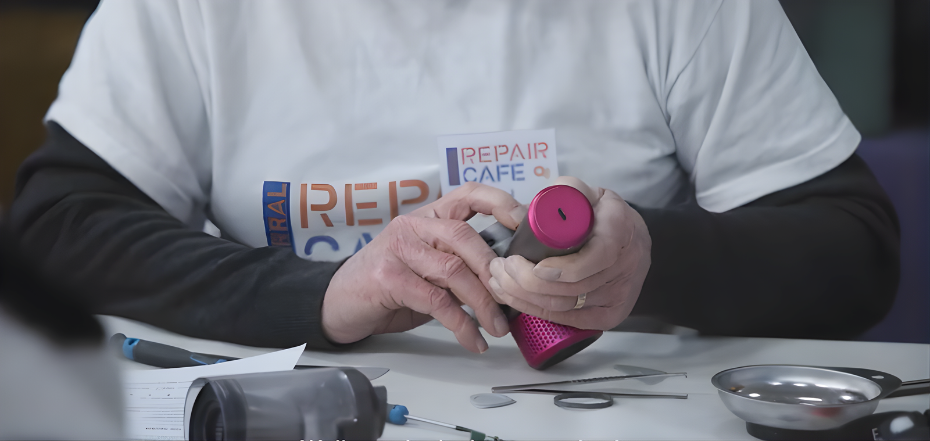
A Wirral Repair Cafe volunteer in action. Credit – MRWA / Culture City.
Liverpool City Region Repair Week 2026 – which is being driven through Zero Waste LCR, a behavioural change arm of Merseyside Recycling and Waste Authority (MRWA) – offers multiple opportunities for residents to repair items, helping to reduce waste and save money.
The weeklong Repair Week celebration arrives following research which has found that the North West of England spends £2 billion on replacing repairable items.
The research, commissioned by ReLondon, also shows that two in three (64%) people in the UK say they have spent around £277 a year replacing items they think could have been repaired. Across the UK, this figure rises to £15 billion spent on replacing items.
First launched in 2020 in London with just 20 events, Repair Week is now in its sixth year and has amassed a growing network of UK locations taking part, with Liverpool City Region joining London, Greater Manchester, County Durham, Belfast and Cardiff.
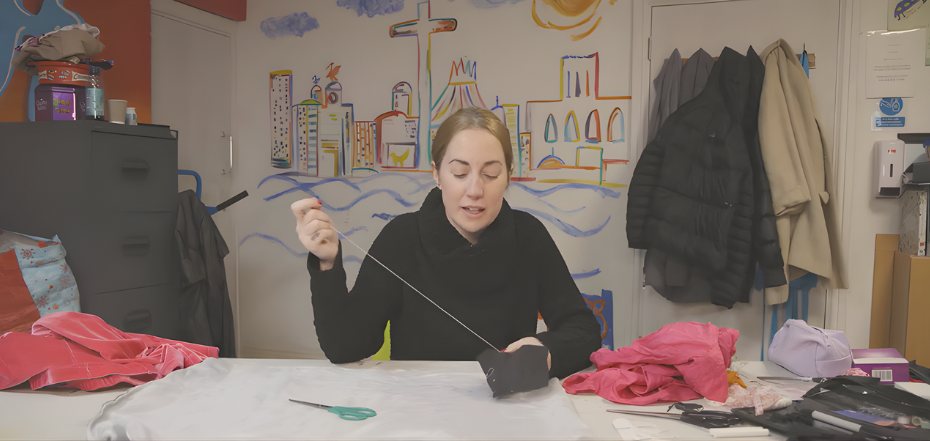
Siobhan Kerr from Zero Fashion demonstrates how to backstitch. Credit – MRWA / Culture City.
Lesley Worswick, Chief Executive of Merseyside Recycling and Waste Authority, said: “We want to make fixing the norm, which is why we are glad to be taking part in Repair Week for a second year, making it easier for people in Liverpool City Region to learn skills and access affordable, professional repairs. From hands-on workshops with repair experts to online hacks, Repair Week is all about giving you the confidence to fix, mend, and make things last.”
How to get involved with Liverpool City Region Repair Week
Liverpool City Region Repair Week is all about creating opportunities for residents across Halton, Knowsley, Liverpool, Sefton, St Helens and Wirral to save money and love their belongings for longer.
Residents can discover a range of local repair services – offering fixes for commonly wasted items such as textiles, electricals, furniture, bicycles, musical instruments and more – through The Zero Waste LCR Repair Directory, which is an online map charting each organisation by location.
Also available to explore through a series of short videos are just some of Liverpool City Region’s local repair heroes. As well as biographic featurettes highlighting the amazing work they do in their respective communities, each repair hero offers a practical tip that residents can try at home.
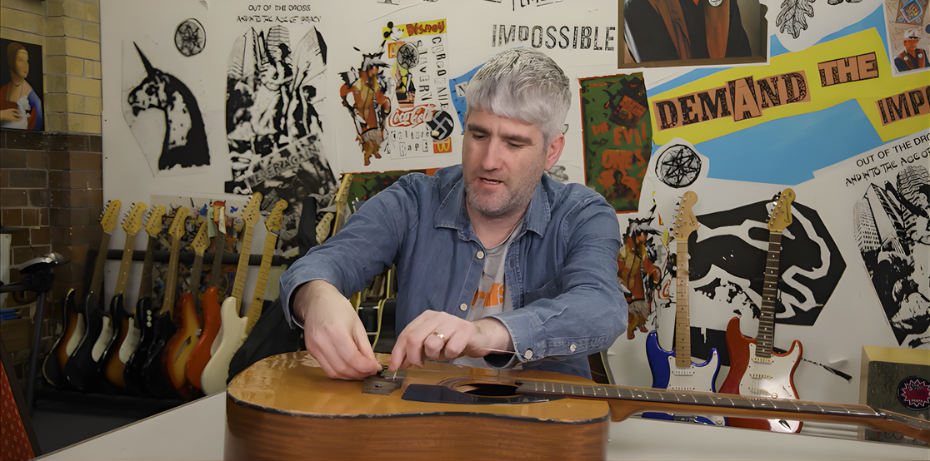
Tim Tierney from The Florrie demonstrates how to replace a guitar string. Credit – MRWA / Culture City.
A packed programme of repair events will also take place across Liverpool City Region during Repair Week and beyond. Among the events on offer is a Fix It Festival, presented by Friends of Bowring Park, who are based in Knowsley but work across Liverpool City Region.
Oisin Hennessy, Project Manager at One Day Regen – the organisation behind Friends of Bowring Park – said: “We’re delighted to be a part of Repair Week. Not just to support the week, but to get involved in our own way. The Fix It Festival is an event we’re hosting at Bowring Park on Saturday 7th March with a whole range of activities going on throughout the day that will teach people repair skills, allow them to get those loved, but broken, items fixed for free, meet new people and spend the day out in their community. The event runs from 11am – 3pm. Activities include a sewing class, a clothes swap shop, electronic and IT repairs, bicycle repairs, ‘learn to ride’ guided bike rides, a pizza-making workshop and more!”
Residents from across Liverpool City Region can find out more about the Fix It Festival and sign up to some activities via the Bowring Park website: www.bowringpark.co.uk/fix-it-festival.
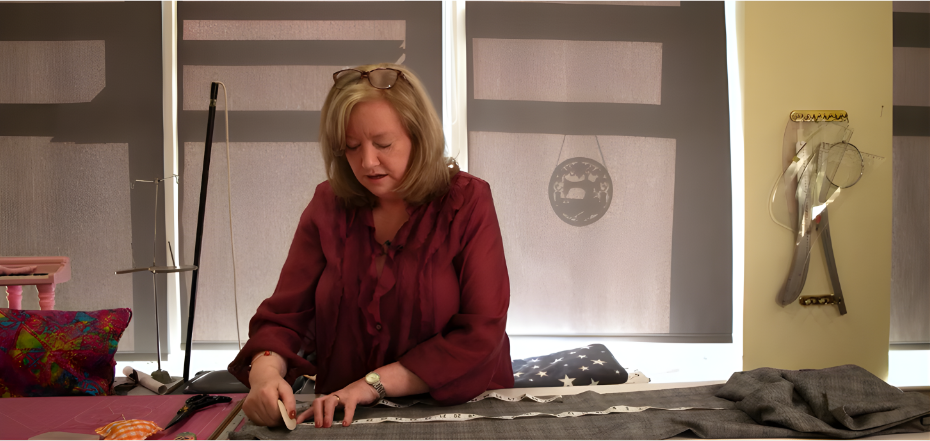
Cathy Morris from Sewing Connection demonstrates how to hem a trouser leg. Credit – MRWA / Culture City.
Other events planned to take place before, during or after Liverpool City Region Repair Week include repair cafés for residents to get items fixed, as well as workshops and information sessions where people can learn repair skills.
ReLondon are the driving force behind Repair Week, which began life as a London-centric initiative, but is quickly becoming a growing network among UK locations including Liverpool City Region, Greater Manchester, County Durham, Belfast and Cardiff.
For 2026, organisers at ReLondon have introduced Repair Week’s very own Scouts badge – and it’s not just the Scouts who are repairing more.
The popularity of repairing has seen a significant revival and is on the rise, driven by concerns over the cost of living and what people feel is an increasingly “throwaway” culture.
Key Research
Repair Week’s new research, commissioned by ReLondon, found that people in the UK had repaired around 14 items each in the last year.
The research found that most people are ready to have a go at a whole range of repairs, from changing a plug (48%) to replacing a button (49%). Mending clothes and other textiles are also among the most popular forms of repair (45%):
3.4 billion repairs are done to mend clothing or textiles, from sewing a button on to mending a seam
66 million plugs have been changed
42 million broken headphone ports have been fixed
The research has also revealed that 41million items in the North West of England (6.85 items per person) which could be repaired are being thrown away every year, with textiles and electricals topping the chart for most commonly disposed items.
For those who say they don’t repair their stuff, it’s the lack of skills that are getting in the way. Lots of people learnt to repair from their parents (47%), with online tutorials, TikTok and YouTube also proving very popular (30%). Attending a repair workshop was also considered a great way of learning a new skill and an opportunity to meet new people (52% of those surveyed).
About the research:
The research was conducted by Censuswide on behalf of ReLondon, using a sample of 2,000 nationally representative UK respondents, aged 18+. The data was collected between 09.01.2026 – 12.01.2026. Censuswide abides by and employs members of the Market Research Society and follows the MRS code of conduct and ESOMAR principles. Censuswide is also a member of the British Polling Council.
Girls and young women across Merseyside are taking action on food waste thanks to a project that is teaching practical skills in cooking, growing and composting – helping families save money while protecting the environment.
Guiding Towards Food Waste Zero is a collaborative effort between Merseyside GirlguidingAssociation and cookery specialists Cook Clean and Green, funded by a £27,050 grant from the Merseyside Recycling & Waste Authority (MRWA) and Veolia Zero Waste Community Fund. Operating across Halton, Knowsley, Liverpool, and St Helens, the initiative is aiming to reach nearly 3,500 participants, including 2,000 Guides and 1,000 Brownies.
The project is training up 20 Girlguide leaders to run a series of hands-on workshops with Guides and Brownies. Sessions are focusing on reducing avoidable household food waste through better planning, shopping, storage and cooking, as well as growing food and composting.
Suzanne Mitchell, Partner at the Merseyside Girlguiding Association and founder of Cook Clean and Green, said: “Girls and young women care deeply about climate change and protecting the planet, and this project gives them the practical tools to turn that concern into action. From cooking with leftovers to understanding food labels and composting, we’re helping Guides and Brownies build skills for life while reducing waste at home. We’re excited to work with leaders across Merseyside to inspire a new generation of food waste champions!”
The project is providing recipe packs, waste-saving tips, cooking equipment and small grants to local Guide units, as well as using Girlguiding’s social media channels to spread key messages about reducing food and packaging waste. Participants are being encouraged to become “ambassadors for change” by sharing what they learn with their families and communities.
Lesley Worswick, Chief Executive of MRWA, said: “Food waste is one of the biggest challenges we face, but it’s also one of the easiest to tackle with the right skills and knowledge. Guiding Towards Food Waste Zero is a fantastic example of how we can empower young people to make a real difference in their homes and communities. By learning how to plan, cook, store and grow food, these Guides and Brownies will help cut waste, save money and support a more sustainable, circular economy across Merseyside.”
The project is expected to divert significant amounts of food from going to waste, with estimated reductions including:
– 146 tonnes of food waste through skills training, growing, and composting
– 56 tonnes of plastic waste by encouraging sustainable shopping habits and effective recycling
The initiative aligns with Girlguiding’s commitment to environmental stewardship and is supporting leaders with training, mentoring and accredited food safety qualifications. In addition to environmental benefits, participants will gain a Level 2 Food Safety and Hygiene qualification and develop essential life skills in financial management, numeracy, and community engagement.
Ends
Notes to editors:
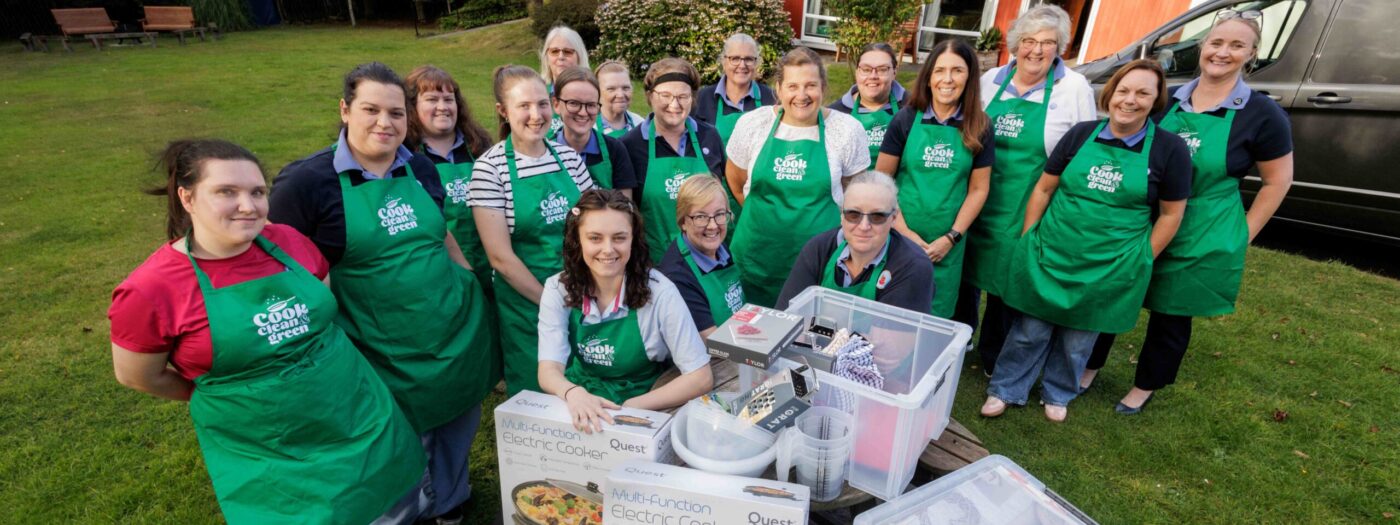
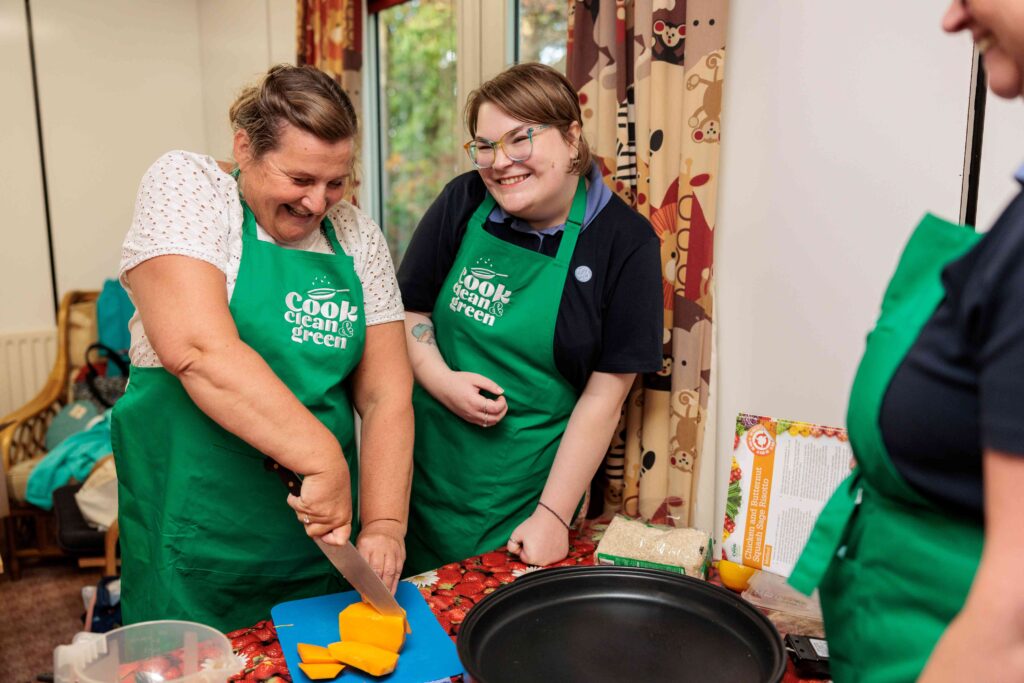
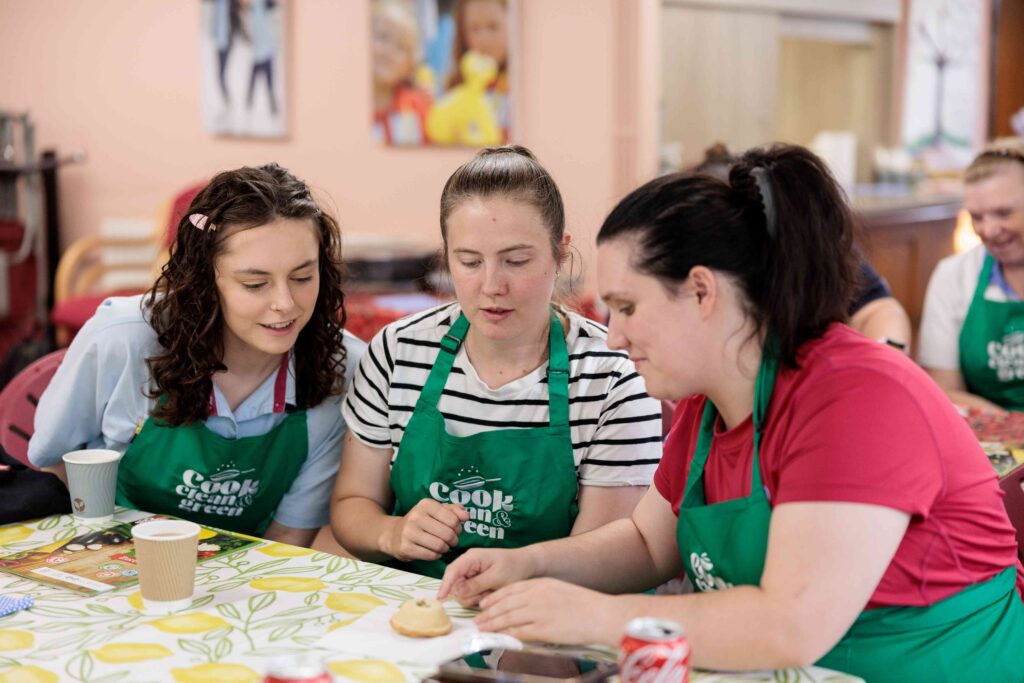
Attached images show a Train the Trainer event in 2025.
Merseyside Recycling and Waste Authority (MRWA): Merseyside Recycling and Waste Authority is responsible for the management of household waste in Merseyside and Halton. They are committed to promoting waste reduction, reuse, and recycling through a variety of initiatives, including the Zero Waste Community Fund. www.merseysidewda.gov.uk
About Merseyside Girlguiding: With a 100-year history in the region, the Association provides girls and young women with a space to discover their potential and make a positive difference in their communities. For more information please visit www.girlguidingmerseyside.co.uk.
Media contact:
John Lally | Communications and Development Officer
Merseyside Recycling & Waste Authority | 1 Mann Island, Liverpool, L3 1BP
Office: 0151 255 2568 | Mobile: 07796005401
Email: john.lally@merseysidewda.gov.uk
This site uses cookies to store information on your computer. Some of these cookies are essential to make our site work and others help us to improve by giving us some insight into how the site is being used. View our Cookie Policy.
By using our site you accept the terms of our Privacy Policy.