There is likely to be disruption to the access at Otterspool Household Waste Recycling Centre on Saturday 8th August 2026 due to increased traffic visiting the No Art Festival being held in Otterspool Drive Park.
The routes on Riverside Drive and Jericho Lane to access to the Centre will be busy with the additional Festival traffic but will remain open for the duration of the event. The surrounding routes are expected to be busiest with Festival visitors arriving from 12:00 onwards. Full road closures will be in place from 9pm.
To avoid disruption, please use the Old Swan Recycling Centre, Cheadle Avenue, Old Swan, L13 3AF or any other Household Waste Recycling Centre in the Liverpool City Region.
*Please note, this commission closes 21st August at 5pm.*
Background
Merseyside Recycling and Waste Authority (MRWA) is committed to achieving the targets of zero waste and zero net carbon by 2040. This involves changing behaviours and attitudes and encouraging residents to take actions to help us achieve our goals.
As we enter unprecedented levels of consumerism with endless stream of new fast-fashion, electronics, and appliances on offer, it’s important to recognise the toll this endless cycle of buying and disposing has on our environment. By providing opportunities for our community to reuse, repair and resource share, we can shift to sustainable solutions before it’s too late.
Launching a Library of Things can help promote sharing, sustainability, and community engagement by providing access to products that don’t see regular use, and reducing the need for individual ownership. This approach saves users money, reduces clutter, and minimizes environmental impact by extending the lifespan of products and reducing production. It also fosters a sense of community by encouraging interaction and skill-sharing among members as they work to host and maintain products.
The Project
For this project, MRWA is looking to recruit a partnering individual(s) or organisation (s) to develop and host a not-for-profit repair scheme within Liverpool City Region. Utilising concepts such as product redistribution, skill sharing, repair cafes and shed models, the scheme should promote the extension of product lifespan within their community, with aims of producing a shift in attitudes and behaviours around reuse and repair, and educating those on the benefits of moving away from a throwaway lifestyle. While MRWA does have specific interest in the extended lifecycle and subsequent reduction of electronic and textile waste, this scheme will be open to repair and reuse in all forms, regardless of any priority material focus.
Funding will be open to both new and existing projects, but those who are preestablished will be required to evidence ways in which they will develop or advance their existing projects/schemes within their application to ensure that we build on what Liverpool City Region already has to offer as opposed to maintaining “business as usual”.
The partner(s) will be fully responsible for all aspects of the scheme, including:
Procuring of suitable location
Establishing staff/volunteers
Developing a primary focus or area of work
Hosting sessions/events/workshops as appropriate
Any necessary risk assessments and insurance
Promotion of the scheme
Monitoring and evaluation
Continued legacy and development to maintain the space/scheme long-term
Project Aims:
The aim of this project is to showcase the benefits of adopting a reuse and repair culture through support and education, promoting a shift in behaviour around unnecessary waste practices and reducing the carbon footprint associated with new products.
Sustainable Development Goals
MRWA has prioritised five of the seventeen Sustainable Development Goals with regards to its impact from operations and activities. The prioritised goals are::
3. Good health and well-being.
4. Quality Education.
11. Sustainable cities and communities.
12. Responsible consumption and production.
13. Climate Action.
This project will support all five goals. It will educate, inform, and raise awareness of the benefits of repair and reuse in communities through skill sharing. Such projects can contribute to people’s self-esteem, relieve their isolation, and instigate community cohesion. It will promote a shift in the waste hierarchy from throw away culture to reuse, influence sustainable communities, and reduce emissions associated with new product development which contribute to climate change. Participants will change behaviour and be more responsible about their consumerism and the waste they produce.
What will your organisation’s participation involve?
If you would like to be involved in this project, you will work closely with the MRWA’s Strategy & Development team to develop and deliver this Repair Initiative. We are looking to commission a forward thinking, efficient and sustainable organisation to launch and manage this scheme. With the intention of gathering evidence about the behaviour of participants with regards to reusing and repairing items, its usefulness, and its benefits to determine if additional projects could be beneficial. While the base may be in one specific area of the Liverpool City Region (LCR) residents from all six districts should be eligible to access the project.
Taking part
Taking part will involve the following:
Taking part will involve the following:
Engage with residents and community groups – the partner will communicate and engage with residents and local communities and encourage people to access the Library of Things scheme as suitable.
Health & Safety – you will maintain excellent Health and Safety standards throughout the project. You will manage the project on our behalf and mitigate risk.
Help increase reuse in the region – utilising your experience, you will promote the reuse of library stock within your area, educating others where suitable to recognise the benefits or reuse over new purchases in their everyday life.
Recognising support and equipment needs – you will assess current need in your area and design a scheme to best suit these, listing the equipment and tools needed to support the planned endeavour.
Consider sustainability – throughout the project, you should consider sustainability implications and ensure the project is keeping waste production to a minimum.
Consider longevity – while this fund is available to support with set up and development costs, consider how the project can continue after the funded period. What maintenance costs would exist? Is this a long-term provision or a limited offer?
Devise a promotional and engagement plan – develop a communications and logistics plan to promote the scheme, generate volunteers/participants, and share success stories. Encourage participants to provide photos, videos, and testimonies for MRWA to make social media connections.
Produce summary behavioural analysis report – collect relevant data and feedback from participants around the scheme, whether good or bad, and produce an evaluation of the scheme and lessons learnt. Identify any evidence of changes in behaviour, both disposal and buying.
Provide social value for the LCR communities – as an organisation, we are aiming to embed social value across our activities and will ask you to provide us with specific metric to support the calculation of this.
Project outcomes
We’re looking for the following outcomes from this project:
Development and delivery of a community-based repair scheme with an embedded longevity plan.
Development and distribution of all necessary resources and promotional materials, with support of MRWA.
Engagement with community organisations and participants across as many of the six areas of the Liverpool City Region as possible (Liverpool, Sefton, Knowsley, Halton, Wirral and St Helens).
An expected repair of approximately 80-120 items (roughly 20 items per month over 6 months) these figures can be reviewed and adjusted based on the successful tender quotations and estimates.
Health and safety risk assessments where relevant.
Support and monitoring of the project and its participants throughout, including evidence and tracking of item numbers, feedback etc.
Support in embedding social value, and the delivery of data to support its measurement.
Evaluation/end of project report.
How your organisation can benefit from taking part in the project
Help instigate behaviour change – Our long-term goal is to achieve zero waste and carbon by 2040. You can help us shift from a linear to a circular economy, reduce waste and carbon and address the global challenges we face today and, in the future, including poverty, inequality, climate change, and environmental degradation. To do this successfully, you will work in partnership and directly engage residents across the LCR.
Embed waste prevention, reduction and reuse thinking within your organisation– Expand your organisations knowledge of the challenges faced by people locally and internationally with regards to sustainable lifestyles.
Provide opportunities for residents to understand and develop repair skills and a continued use mindset – Upskill your community and help residents to change their behaviour and attitudes towards how they view products and waste, understand the consequences of lifestyle choices and how their actions can support change.
Develop new partnerships and networking links – build up relationships with community groups and other interested organisations.
Provide social value for the LCR communities – there is significant social value in community repair and reuse.The impact of waste collection, disposal and climate change are all costs that are not usually considered when identifying support for all types of community projects. This is changing as more local authorities recognise the importance of social value and are factoring the benefits into public spending.
Funding linked to the Project
We have a total of £15,000 funding available.
This funding should be inclusive of all materials, production, delivery, and admin associated with the project. Potential partners will be asked to estimate how many repair items they will support with a target of approximately 80-120 throughout the project. This is open to discussion and review based on the scheme and its focus. Remember, the primary focus of the project is repair and reuse and accessing donated or waste materials is preferred over new purchases.
Payment will be paid on completion of work. This can be completed in full at the end of the project, or in up to three phased payments based on reaching agreed outputs. We will evaluate each project application individually and will appoint the right organisation to deliver the best overall outcome for the LCR.
Please note, this is a commissioned research pilot rather than a grant scheme. Organisations in receipt of Zero Waste Community Fund support may apply – however, there must be no duplication of participants, activity or outputs between projects
When will the project be delivered?
This project will begin September 2026 and end March 2027 with an inclusive facilitation through Repair Week 2027. A detailed timeline of activities is provided below:
Activity Detail:
Dates:
Project tender goes live
24th July 2026
Meeting requests window closes
17th July 2026
Project tender closes
21st August 2026
Tender applications evaluated
w/c 23rd August 2026
Organisation selected
w/c 23rd August 2026
Due diligence
Following acceptance
Project initiation meeting
Following acceptance
Final reports received
March 2027
Evaluating applications
We will score applications received based on:
50% Meeting project objectives
40% Finance
10% Evaluation
If no applications are deemed appropriate (minimum scores above 65/100) during evaluation, MRWA reserve the right to relist this opportunity to ensure the correct partner organisation is allocated for this funding.
Having celebrated a breakout year in 2025, Liverpool City Region will once again be taking part in Repair Week, from Monday 2nd – Sunday 8th March 2026.
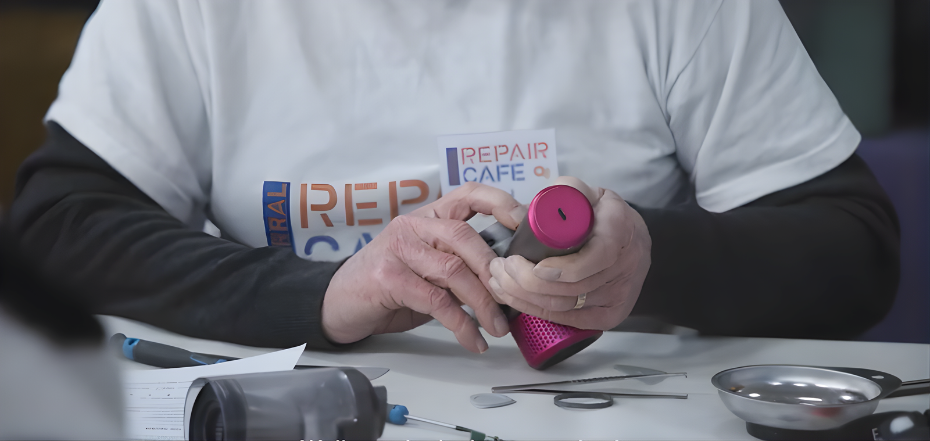
A Wirral Repair Cafe volunteer in action. Credit – MRWA / Culture City.
Liverpool City Region Repair Week 2026 – which is being driven through Zero Waste LCR, a behavioural change arm of Merseyside Recycling and Waste Authority (MRWA) – offers multiple opportunities for residents to repair items, helping to reduce waste and save money.
The weeklong Repair Week celebration arrives following research which has found that the North West of England spends £2 billion on replacing repairable items.
The research, commissioned by ReLondon, also shows that two in three (64%) people in the UK say they have spent around £277 a year replacing items they think could have been repaired. Across the UK, this figure rises to £15 billion spent on replacing items.
First launched in 2020 in London with just 20 events, Repair Week is now in its sixth year and has amassed a growing network of UK locations taking part, with Liverpool City Region joining London, Greater Manchester, County Durham, Belfast and Cardiff.
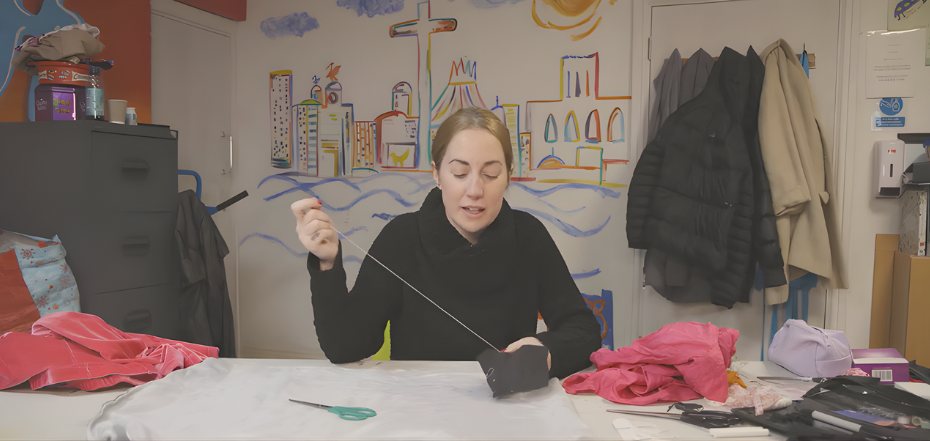
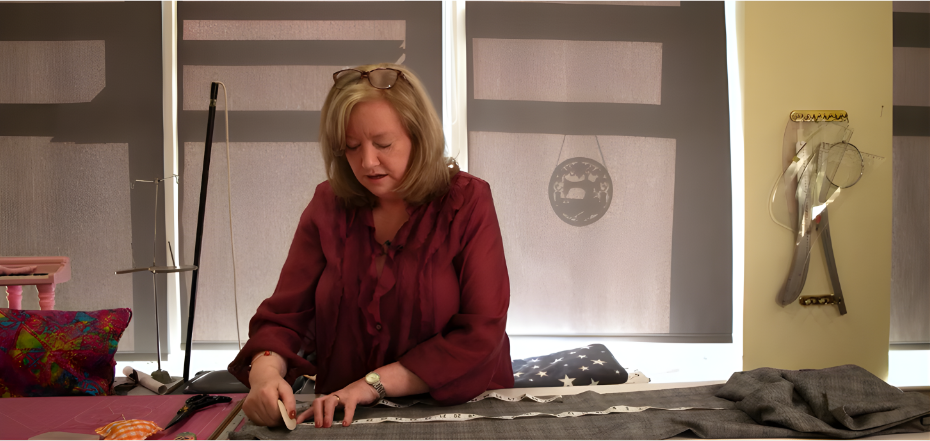
Siobhan Kerr from Zero Fashion demonstrates how to backstitch. Credit – MRWA / Culture City.
Lesley Worswick, Chief Executive of Merseyside Recycling and Waste Authority, said: “We want to make fixing the norm, which is why we are glad to be taking part in Repair Week for a second year, making it easier for people in Liverpool City Region to learn skills and access affordable, professional repairs. From hands-on workshops with repair experts to online hacks, Repair Week is all about giving you the confidence to fix, mend, and make things last.”
How to get involved with Liverpool City Region Repair Week
Liverpool City Region Repair Week is all about creating opportunities for residents across Halton, Knowsley, Liverpool, Sefton, St Helens and Wirral to save money and love their belongings for longer.
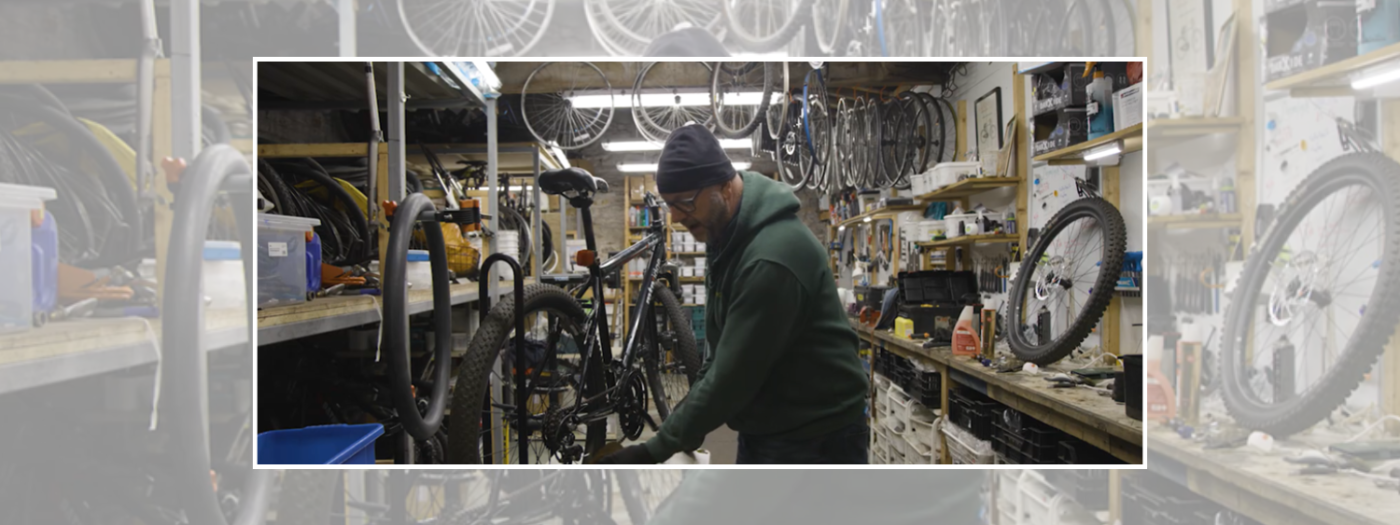
Residents can discover a range of local repair services – offering fixes for commonly wasted items such as textiles, electricals, furniture, bicycles, musical instruments and more – through The Zero Waste LCR Repair Directory, which is an online map charting each organisation by location.
Also available to explore through a series of short videos are just some of Liverpool City Region’s local repair heroes. As well as biographic featurettes highlighting the amazing work they do in their respective communities, each repair hero offers a practical tip that residents can try at home.
Tim Tierney from The Florrie demonstrates how to replace a guitar string. Credit – MRWA / Culture City.
A packed programme of repair events will also take place across Liverpool City Region during Repair Week and beyond. Among the events on offer is a Fix It Festival, presented by Friends of Bowring Park, who are based in Knowsley but work across Liverpool City Region.
Oisin Hennessy, Project Manager at One Day Regen – the organisation behind Friends of Bowring Park – said: “We’re delighted to be a part of Repair Week. Not just to support the week, but to get involved in our own way. The Fix It Festival is an event we’re hosting at Bowring Park on Saturday 7th March with a whole range of activities going on throughout the day that will teach people repair skills, allow them to get those loved, but broken, items fixed for free, meet new people and spend the day out in their community. The event runs from 11am – 3pm. Activities include a sewing class, a clothes swap shop, electronic and IT repairs, bicycle repairs, ‘learn to ride’ guided bike rides, a pizza-making workshop and more!”
Residents from across Liverpool City Region can find out more about the Fix It Festival and sign up to some activities via the Bowring Park website: www.bowringpark.co.uk/fix-it-festival.
Cathy Morris from Sewing Connection demonstrates how to hem a trouser leg. Credit – MRWA / Culture City.
Other events planned to take place before, during or after Liverpool City Region Repair Week include repair cafés for residents to get items fixed, as well as workshops and information sessions where people can learn repair skills.
ReLondon are the driving force behind Repair Week, which began life as a London-centric initiative, but is quickly becoming a growing network among UK locations including Liverpool City Region, Greater Manchester, County Durham, Belfast and Cardiff.
For 2026, organisers at ReLondon have introduced Repair Week’s very own Scouts badge – and it’s not just the Scouts who are repairing more.
The popularity of repairing has seen a significant revival and is on the rise, driven by concerns over the cost of living and what people feel is an increasingly “throwaway” culture.
Key Research
Repair Week’s new research, commissioned by ReLondon, found that people in the UK had repaired around 14 items each in the last year.
The research found that most people are ready to have a go at a whole range of repairs, from changing a plug (48%) to replacing a button (49%). Mending clothes and other textiles are also among the most popular forms of repair (45%):
3.4 billion repairs are done to mend clothing or textiles, from sewing a button on to mending a seam
66 million plugs have been changed
42 million broken headphone ports have been fixed
The research has also revealed that 41million items in the North West of England (6.85 items per person) which could be repaired are being thrown away every year, with textiles and electricals topping the chart for most commonly disposed items.
For those who say they don’t repair their stuff, it’s the lack of skills that are getting in the way. Lots of people learnt to repair from their parents (47%), with online tutorials, TikTok and YouTube also proving very popular (30%). Attending a repair workshop was also considered a great way of learning a new skill and an opportunity to meet new people (52% of those surveyed).
About the research:
The research was conducted by Censuswide on behalf of ReLondon, using a sample of 2,000 nationally representative UK respondents, aged 18+. The data was collected between 09.01.2026 – 12.01.2026. Censuswide abides by and employs members of the Market Research Society and follows the MRS code of conduct and ESOMAR principles. Censuswide is also a member of the British Polling Council.
A recent survey conducted ahead of Liverpool City Region’s Repair Week 2025 has uncovered that residents spent an average of £459.51 per person replacing damaged or broken items they believe could have been repaired over the past year. This figure represents a staggering £185 million[1] based on a sample of Liverpool residents, highlighting significant potential planet and money savings to be made through learning to repair rather than throwing away and replacing.
Liverpool City Region Repair Week 2025, running from Monday 3rd to Sunday 9th March, aims to address these issues with numerous events planned across the city – many of them free. Workshops will cover a range of skills, from mending clothing and fixing electronics to repairing furniture and bicycles.
What’s more beyond practical, money-saving skills, repair workshops offer social benefits; 69% of sampled residents surveyed agree that these workshops provide excellent opportunities to meet new people and build friendships in their neighbourhood. In fact, 57% report having made friends at a Repair Workshop.
67% of sampled residents are concerned about the cost of replacing broken items in the coming year
73% would prefer to repair items themselves if they knew how
78% expressed interest in learning repair skills to save money
The most commonly discarded items without checking for repair options are: clothing (42%), toys (40%) and shoes (38%)
Despite these concerns, the survey reveals a growing appetite for repair culture in Liverpool:
66% of residents enjoy repairing items with others and want to learn more
70% would attend more repair events if they were available locally
77% report a sense of achievement from repairing things
When surveyed about their most repaired items, clothes, bikes, and items with sentimental value topped the list. For example:
“I have repaired my clothes and shoes so many times. Most of my clothes are years old. It’s hard to say which ones are the oldest at the moment, but I have a fleece I bought in 1999 which I wore for 20 years and now my daughter wears.”
“A patchwork quilt that has been repaired and added to for many years. I can trace it back to my great-grandmother (my mother was orphaned, so we’re not sure how far back it was started).”
“The same dog toy. I have sewn it back together multiple times because the dog tears it apart, but it’s his favourite toy. When we replaced it with the exact same toy, he wasn’t interested; he still wanted the old destroyed one.”
Lesley Worswick, Chief Executive Merseyside Recycling and Waste Authority (MRWA) said: “Liverpool City Region Repair Week is about empowering people to extend the life of their possessions, save money, reduce waste, and build their community. Whether you’re motivated by financial savings, environmental concerns, or simply want to learn a new skill and meet new people, there’s something for everyone at this year’s event.”
By participating in Liverpool City Region Repair Week, residents can join a growing movement of conscious consumers, potentially saving hundreds of pounds while contributing to a more sustainable future for the city.
[1] Extrapolations of the data to represent the whole of Liverpool for value of damaged or broken item(s) which could have been repaired. The survey data was weighted to ONS Mid-Year population estimates, 2022, 18 + population figures for Liverpool.
[2] All survey figures obtained from combining answer options “Strongly agree” and “Somewhat agree”
Merseyside Recycling and Waste Authority have today launched a new campaign which provides a unique and informative view of the journey of recycling across Liverpool City Region.
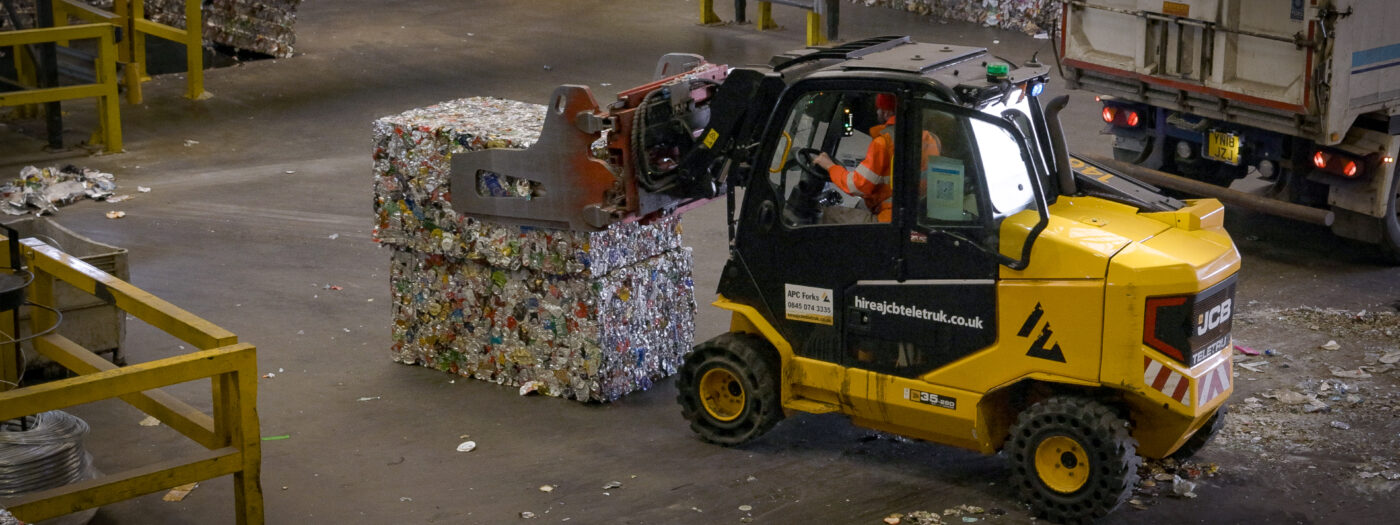
Through a newly created series of videos, residents from Halton, Knowsley, Liverpool, Sefton, St Helens and Wirral can learn more about where their recycling goes once collected from kerbside, and how it is sorted for reprocessing and redistribution to the recycling markets.
Combined, the six districts of Liverpool City Region currently hold an average household recycling rate of 34.74%.
This figure provides a foundation to build from – however, the Authority recognises that collectively as a city region, we can do much better.
The Journey of Recycling campaign has therefore been launched to build trust in the recycling process and to remind residents how they can recycle right – all in a bid to boost recycling rates.
Lesley Worswick, Chief Executive of Merseyside Recycling and Waste Authority, said: “We all know how the simple act of placing items in our recycling collections can become ‘out of sight, out of mind’.
“That’s why, with the Journey of Recycling campaign, we are keen to give residents a behind-the-scenes insight which will equip them with more knowledge on how their recycling efforts can discourage unnecessary waste and make a real difference.
“In addition to displaying the sorting and end processes of each recyclable material, our suite of videos provides a reminder of what materials can be recycled in each of the districts and how to avoid recycling contamination.
“These are all important factors in ensuring that we recycle right.”
Cllr Catie Page, Chair of Merseyside Recycling and Waste Authority, said: “As an Authority, we are always keen to help residents understand that reducing the amount of stuff we buy – as well as repairing and reusing what we can – are great habits to adopt to protect our environment for current and future generations.
“However, we also know that recycling the materials we can in the correct manner also plays a key role in supporting this effort.
“If anyone is ever unsure about what they can recycle at home, we encourage you to watch our Journey of Recycling videos.
“Residents can also visit recycleright.org.uk, which is a really helpful resource that is full of information on what can be recycled at home and at our Household Waste Recycling Centres.”
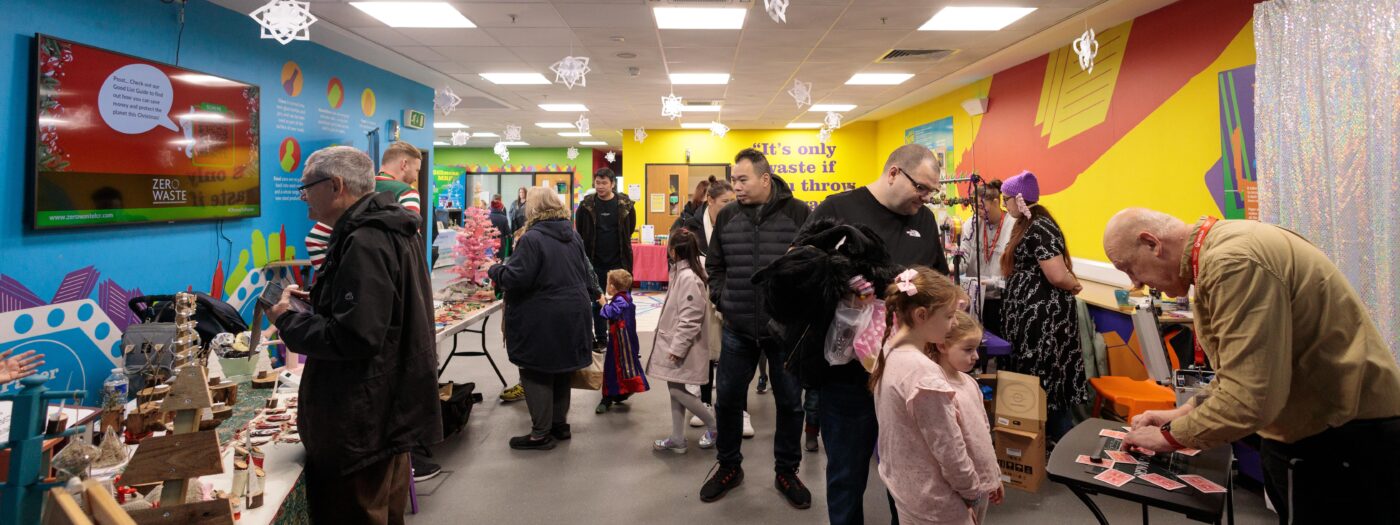
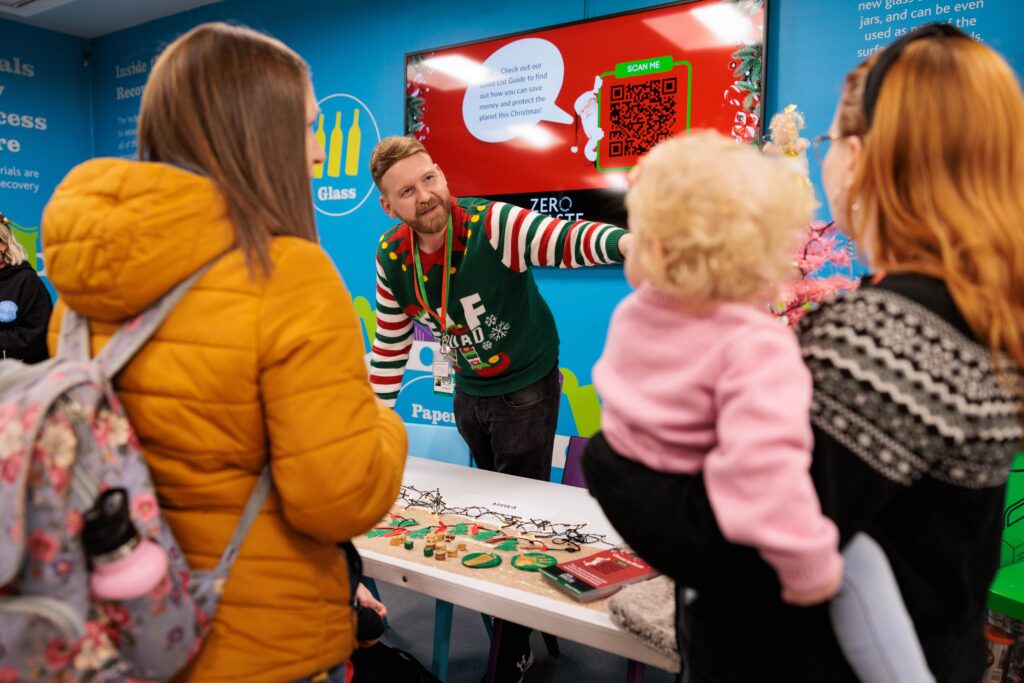
A MRWA staff member discussing the Choose to Reuse campaign at during a Sustainable Christmas Market at Veolia’s Recycling Discovery Centre in Gillmoss.
Merseyside Recycling & Waste Authority has launched a Christmas campaign advising residents to ‘choose to reuse’, in a bid to tackle climate change.
Along with reuse tips, the campaign – which is being driven through the Authority’s Zero Waste LCR branch – offers other sustainable guidelines, which can help people to save money while protecting the environment.
Further astonishing figures state that an estimated 50,000 trees are cut down to create enough paper to wrap presents, while over 1 billion Christmas cards are thrown away per year.
The above stats form part of a wider waste problem that negatively impacts climate change during the festive season.
Although larger generation of waste during Christmas time is a widespread issue, Merseyside Recycling & Waste Authority is keen to buck the trend.
Reaction
Lesley Worswick,Chief Executive of Merseyside Recycling & Waste Authority, said:
“The aim of our ‘Choose to Reuse’ campaign is simple; to help residents reduce waste, save money and protect the planet for future generations… All in a way which doesn’t compromise the joys of Christmas.
“We’ve created a dedicated blog series which offers sustainable advice on everything from Christmas trees and decorations to cards, wrapping paper and gifts.
“Even if residents try one or two of the tips on offer, every little step towards reducing waste is a big stride towards protecting the environment.”
“Often, planning goes out the window and leaves us in a rush to choose the quick and convenient option when Christmas shopping… Then, before we know it, it’s all over!
“While the primary aim is to make Liverpool City Region more sustainable, the ‘Choose to Reuse’ campaign also gives people a chance to think again.
“We want to provide plenty of inspiration for residents and their loved ones to embrace creativity and build precious festive memories together in the process.”
Merseyside Recycling & Waste Authority is responsible for the disposal of municipal waste on Merseyside. Established in 1986 following the abolition of Merseyside County Council, it is a statutory Authority that works with all the local authorities on Merseyside – Knowsley, Liverpool, Sefton, St Helens, Wirral and also Halton. MRWA takes a lead in advocating recycling, waste minimisation and safe and effective disposal of waste for Merseyside residents and operates (via a contract with resource management company Veolia) 16 Household Waste Recycling Centres (HWRC’s) for householders in the Merseyside and Halton area wishing to recycle and dispose of their own waste. For more information, please visit https://www.merseysidewda.gov.uk/.
Zero Waste Liverpool City Region is brought to you by Merseyside Recycling & Waste Authority (MRWA). The main aim of Zero Waste LCR is to work towards both MRWA’s own Corporate Plan and the Liverpool City Region Combined Authority’s commitment to Net Zero by 2040. Waste and resources play an important part in reaching this target, in combating the effects of climate change, and we also believe that we must adopt a zero waste circular economy to ensure that resources are used for longer and carbon emissions are prevented. Premature disposal of resources means that the full extent of their value is not maximised for the local economy. For more information, please visit https://www.zerowastelcr.com/.
The featured photographs were taken at Veolia’s Sustainable Christmas Market, which took place at the Recycling Discovery Centre in Gillmoss on Saturday 25 November. Merseyside Recycling & Waste Authority (MRWA) attended the event to launch the Zero Waste LCR ‘Choose to Reuse’ campaign. More images are available to download via Google Drive. Image credits: David Jones Photography.
#ChooseToReuse campaign assets and suggested messaging are available to download here.
Media Enquiries
Members of the media, for more information please contact:
Due to the COVID-19 pandemic the Ministry of Housing, Communities and Local Government confirmed changes made to the Accounts and Audit Regulations 2015. The Accounts and Audit (Coronavirus) Amendments Regulations 2021 has extended the statutory deadlines for the production and audit of the 2020/21 accounts. This change anticipated the impact of closed offices, potential staff absences and all staff involved in production of the statutory accounts working from home.
The publication date for audited accounts has moved from 31 July to 30 September 2021 for all local authority bodies. To give authorities more flexibility, the requirement for the public inspection period to include the first 10 working days of June has been removed. Instead, local authorities must start the public inspection period on or before the first working day of August 2021.
Merseyside Waste Disposal Authority (“ the Authority”) Accounts are subject to external audit by Andrew Smith for and on behalf of Grant Thornton LLP, Royal Liver Building, Liverpool, L3 1PS.
Members of the public and local government electors have certain rights in the audit process:
From 1st August 2021 for a period of 30 working days any person may inspect the Accounts, Annual Governance Statement and Narrative Report of the Authority for the year ended 31 March 2021 and certain related documents (comprising books, deeds, contracts, bills, vouchers and receipts). The Accounts and associated documents would normally be available for inspection at No 1 Mann Island, Liverpool, L3 1BP, however, due to the ongoing impact of COVID-19, alternative arrangements will need to be made.
A notice of intention to inspect the accounting records and other documents should be given in writing and sent to the Director of Finance, MWDA, 7th Floor, 1 Mann Island, Liverpool L3 1BP. Email: Peter.williams@merseysidewda.gov.uk
At the request of a local government elector for any area to which the Accounts relate, the local auditor must give the elector, or any representative of the elector, an opportunity to question the auditor about the accounting records. Please contact the auditor at the address given above to make arrangements to ask any questions.
In accordance with Section 26 and 27 of the Act a local government elector for the area of the Authority, or his/her representative, may object to an area of the Authority Accounts if it concerns a matter in respect of which the auditor could make a public interest report. Written notice of a proposed objection and the grounds on which it is made must be sent to the auditor at the address given above and copies to the Authority at the address given below.
Merseyside Waste Disposal Authority 7th Floor, No 1 Mann Island Liverpool L3 1BP
A project to help householders cut food waste, eat more healthily and save money is celebrating a funding boost.
Feedback Global has received £19,900 from the Merseyside Recycling and Waste Authority (MRWA) Community Fund to run the Your Food Needs YOU! scheme which is delivering cookery workshops and events in order to raise awareness of and help reduce household food waste.
An estimated 140,000 tonnes of food is wasted in the Liverpool City Region each year. A lot of this could still be used and would save the average family £720 a year in groceries. It is this behaviour the project is hoping to change.
Carina Millstone, Executive Director at Feedback Global, said: “We pride ourselves in creating volunteer opportunities and skills on food waste issues for everyone, everywhere, of all ages and ability.
“At the heart of our work is a deep appreciation for the value of food, the role of good food in building communities and the need for local and regional work to build regenerative, regional circular food economies that support positive environmental, health and social outcomes. Funding from MRWA will allow us to adapt our successful model of taking local action on food waste, whilst raising broader public awareness of the issue.”
The project is delivering a programme of quirky, high-profile food-waste-busting events and ingredient harvesting days which brings members of the community together to learn about, appreciate and enjoy food, and simultaneously reduce waste. One part of the programme includes running experimental ‘Food Labs’ which asks participants to bring in five food items from home. They are shown how to extend the shelf life of the items and create healthy meals from the ingredients.
It was originally planned that classes would be delivered in person, however due to Coronavirus and social distancing measures they have mostly been held digitally, including an online cabbage pickling workshop which ran on Global Scouse Day.
By the end of the project in June Feedback hope to have:
– trained up 20-40 Community members to help deliver messages of food waste and act as local food champions,
– engaged 285 people increasing their practical food skills, appreciation of food value and knowledge of the environmental impact of food waste,
– prevented the waste of around 2268kg of commonly wasted household foods through increased food waste avoidance skills among participants.
Feedback’s Merseyside-based project Alchemic Kitchen is delivering the scheme, with the social enterprise experienced in minimising waste, building the circular food economy and improving access to seasonal, nutritious food. Locals residents can even sign up and make a Food Pledge at www.alchemickitchen.co.uk.
Lucy Antal at Alchemic Kitchen, said: “At the heart of ‘Your Food Needs YOU!’ is a message about the value of food and the environmental and climate impacts of wasting it. In addition to reducing food waste, we anticipate that participants will be more aware of wider links between what we eat, climate change and biodiversity loss, such as reducing how much meat we eat.”
Carl Beer, Chief Executive of MRWA, said: “Food waste is a big issue with significant environmental effects. Projects like Your Food Needs You can get people to recognise that the food they buy exists within a circular economy – from farm to fork – while having a real impact in reducing household food waste.”
Ends
News to editors:
• Attached picture caption: Photograph taken at a food glean at Speke Hall, Liverpool. Apples that were collected were then redistributed to households who took part in Alchemic Kitchen online workshops.
• Founded in 2013, Feedback Global is a campaign group which works to regenerate nature by transforming food systems and achieving positive change
• Merseyside Recycling and Waste Authority is responsible for the disposal of municipal waste on Merseyside. Established in 1986 following the abolition of Merseyside County Council, it is a statutory Authority that works with all the local authorities on Merseyside – Knowsley, Liverpool, Sefton, St Helens and Wirral. MRWA takes a lead in advocating recycling, waste minimisation and safe and effective disposal of waste for Merseyside residents.
• The MRWA and Veolia Community Fund 20/21 has seen 15 community groups from Merseyside and Halton share £150,000 to help make the region a cleaner and greener place. The financial support will see the groups help reduce household waste, encourage recycling and resource re-use, and prevent carbon emissions.
This site uses cookies to store information on your computer. Some of these cookies are essential to make our site work and others help us to improve by giving us some insight into how the site is being used. View our Cookie Policy.
By using our site you accept the terms of our Privacy Policy.